
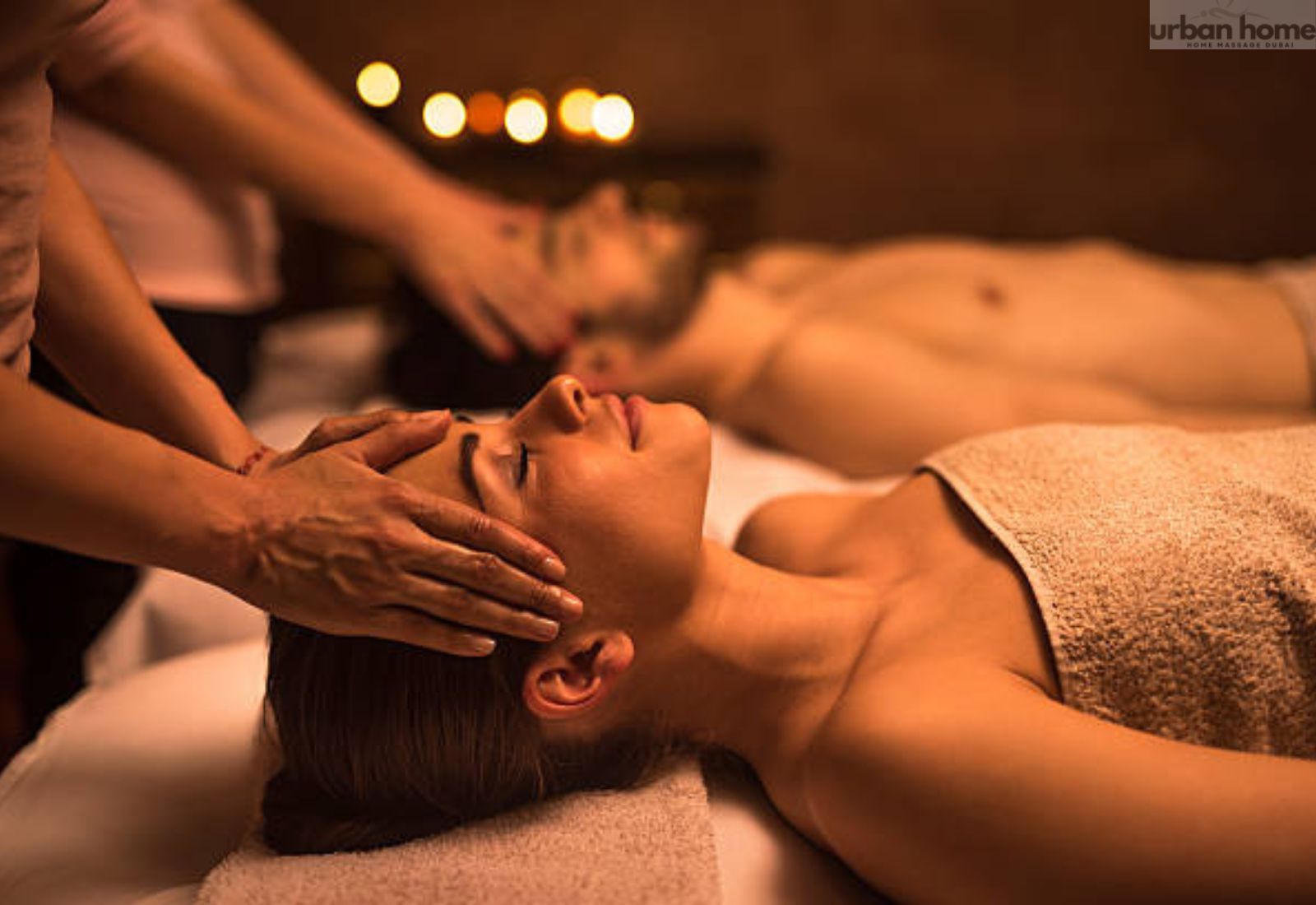



Modern life places significant demands on both the body and mind. Long working hours, digital fatigue, limited physical activity, disrupted sleep patterns, and chronic stress have become common challenges for people of all ages. As a result, more individuals are exploring evidence-based wellness practices that support long-term health rather than simply addressing symptoms after they appear.
Among these practices, massage therapy has gained recognition as more than just a luxury or occasional indulgence. Increasing research and clinical interest have highlighted the role that regular massage may play in supporting physical recovery, emotional well-being, stress management, and overall quality of life.
This guide explores how regular massage therapy can contribute to physical and mental wellness, the science behind its effects, and why consistency often provides greater benefits than occasional treatments.
Understanding Massage Therapy
Massage therapy involves the structured manipulation of muscles, connective tissues, tendons, and ligaments using a variety of techniques and pressure levels. Different massage styles are designed to achieve different outcomes, including relaxation, recovery support, flexibility, and muscle comfort.
Common massage techniques include:
- Swedish massage
- Deep tissue massage
- Sports massage
- Lymphatic drainage massage
- Aromatherapy massage
- Reflexology
- Thai massage
Each technique works differently, but all aim to support the body’s natural recovery and relaxation processes.
The Connection Between Stress and Physical Health
The human body is designed to respond to stress through the activation of the nervous system. During stressful situations, the body releases hormones such as cortisol and adrenaline, preparing the body for action.
While this response can be beneficial in short-term situations, chronic stress may contribute to:
- Muscle tension
- Poor sleep quality
- Fatigue
- Reduced concentration
- Headaches
- Mood changes
- Reduced physical recovery
Because stress affects multiple systems within the body, wellness strategies that encourage relaxation may provide benefits that extend beyond temporary comfort.
How Massage Supports the Nervous System
One of the primary reasons people seek massage therapy is its ability to promote relaxation.
Massage may help stimulate the parasympathetic nervous system, often referred to as the body’s “rest and recovery” system. This system helps counterbalance the body’s stress response by encouraging slower breathing, reduced muscle tension, and a greater sense of calm.
Many individuals report feeling mentally refreshed and physically lighter following a professional massage session.
While massage is not a substitute for medical treatment, it may serve as a valuable component of a broader wellness routine.
Supporting Muscle Recovery and Physical Comfort
Muscle tension can develop for many reasons, including:
- Long hours sitting at a desk
- Poor posture
- Physical work
- Exercise and training
- Repetitive movements
- Daily stress
Massage techniques apply controlled pressure to muscles and soft tissues, which may help improve comfort and mobility in some individuals.
Athletes and active individuals frequently incorporate massage into their recovery programs because it may help support flexibility and post-exercise recovery.
Similarly, office workers often seek massage to address tension that develops in the neck, shoulders, and lower back after prolonged periods of sitting.
Massage and Circulation
Circulation plays an essential role in transporting oxygen and nutrients throughout the body.
Massage creates movement within soft tissues that may temporarily support local blood flow in the treated areas. Improved circulation can contribute to healthy tissue function and may help individuals feel refreshed after treatment.
Although massage should not be viewed as a treatment for circulatory disorders, healthy circulation remains an important part of overall wellness.
The Relationship Between Massage and Sleep Quality
Sleep is one of the most important foundations of health.
Poor sleep quality has been associated with:
- Reduced concentration
- Increased stress
- Lower energy levels
- Mood disturbances
- Reduced physical recovery
Many individuals report sleeping better following massage sessions due to the relaxation response that massage can create.
By helping the body transition into a more relaxed state, massage may support healthy sleep habits when combined with good sleep hygiene practices.
Supporting Mental Wellness
Mental wellness extends beyond the absence of illness. It includes emotional balance, resilience, stress management, and overall life satisfaction.
Regular massage appointments provide an opportunity to disconnect from work pressures, digital distractions, and daily responsibilities.
For many individuals, massage offers:
- Dedicated time for self-care
- Reduced feelings of stress
- Improved relaxation
- Enhanced sense of well-being
- Temporary relief from mental fatigue
These benefits may be especially valuable in fast-paced urban environments where individuals often struggle to create time for recovery and rest.
The Role of Human Touch in Wellness
Human touch plays an important role in emotional well-being and social connection.
Professional therapeutic touch provided within an appropriate clinical or wellness setting may contribute to feelings of comfort and relaxation for some individuals.
Researchers continue to study the relationship between therapeutic touch and emotional health, but many people report positive emotional experiences associated with regular massage sessions.
Massage and Workplace Wellness
Modern work environments often contribute to physical discomfort and mental fatigue.
Common workplace challenges include:
- Extended sitting
- Screen-related posture issues
- Repetitive movements
- High workloads
- Limited movement throughout the day
As a result, workplace wellness programs increasingly include massage therapy as part of broader employee wellness initiatives.
Regular massage may help employees feel more comfortable and relaxed, supporting overall workplace well-being.
Exercise Recovery and Active Lifestyles
Fitness enthusiasts and athletes place considerable demands on their muscles and joints.
Following intense exercise, the body requires time to recover and adapt.
Many athletes include massage within their recovery routines because it may help:
- Support flexibility
- Encourage relaxation after training
- Reduce feelings of muscle tightness
- Complement stretching and mobility exercises
Sports massage, in particular, is designed to address the needs of physically active individuals.
How Often Should You Get a Massage?
There is no universal answer to this question.
The ideal frequency depends on factors such as:
- Lifestyle
- Activity level
- Work demands
- Wellness goals
- Budget
- Personal preference
Some individuals schedule monthly sessions as part of their self-care routine, while others prefer weekly or biweekly appointments during periods of increased stress or physical activity.
Consistency often produces more noticeable long-term benefits than occasional treatments.
Massage as Part of a Holistic Wellness Strategy
Massage therapy works best when combined with other healthy lifestyle habits.
These may include:
- Regular exercise
- Balanced nutrition
- Adequate hydration
- Quality sleep
- Stress management techniques
- Physical activity throughout the day
Rather than viewing massage as a standalone solution, many wellness professionals encourage integrating it into a broader approach to health and well-being.
Important Health Considerations
Massage may not be appropriate for everyone.
Individuals should consult their healthcare provider before receiving massage if they have:
- Recent surgery
- Blood clotting disorders
- Severe cardiovascular conditions
- Active infections
- Fever
- Open wounds
- Certain skin conditions
- Pregnancy complications
A qualified massage therapist should always ask about relevant health conditions before beginning treatment.
The Long-Term Value of Regular Massage
Wellness is rarely achieved through a single action or treatment. Instead, it is often the result of consistent habits practiced over time.
Regular massage therapy may support this process by encouraging relaxation, promoting body awareness, supporting recovery, and providing dedicated time for physical and mental restoration.
As more people adopt preventative approaches to health, massage continues to evolve from an occasional luxury into a valuable component of modern wellness routines.
Conclusion
Massage therapy has become an increasingly recognized tool for supporting both physical and mental wellness. From encouraging relaxation and supporting recovery to promoting better sleep and reducing everyday stress, regular massage may offer benefits that extend well beyond the treatment room.
Although massage should not replace medical care when needed, it can serve as a meaningful complement to a healthy lifestyle built around movement, nutrition, rest, and stress management.
For many individuals, regular massage is no longer viewed as an occasional indulgence but as an investment in long-term well-being, resilience, and quality of life.