


Modern life places significant demands on both the body and mind. Long working hours, constant connectivity, demanding schedules, lack of sleep, and physical inactivity have made stress a common part of daily life for many people. While occasional stress is a natural response to challenges, prolonged or unmanaged stress can affect physical health, emotional well-being, and overall quality of life.
As awareness of preventive health and wellness continues to grow, more people are turning to complementary therapies to support recovery and relaxation. Among these approaches, massage therapy has become one of the most widely recognized wellness practices for promoting relaxation, easing muscle tension, and supporting recovery from everyday physical and mental demands.
Rather than being viewed solely as a luxury treatment, massage therapy is increasingly considered part of a broader self-care and wellness routine that can contribute to both short-term comfort and long-term well-being.
What Is Massage Therapy?
Massage therapy involves the systematic manipulation of muscles, connective tissues, tendons, and ligaments using various techniques and levels of pressure. Depending on the treatment style and individual goals, massage may involve gentle movements designed for relaxation or more targeted techniques intended to address muscular tension and stiffness.
There are numerous forms of massage therapy, including:
- Swedish massage
- Deep tissue massage
- Sports massage
- Aromatherapy massage
- Hot stone massage
- Reflexology
- Thai massage
- Lymphatic drainage massage
Each technique serves a different purpose and may be more suitable for specific wellness goals, lifestyles, or recovery needs.
Understanding Stress and Its Effects on the Body
Stress is the body’s natural response to situations that require adaptation or action. In short periods, stress can improve focus and performance. However, when stress becomes chronic, it may begin affecting multiple systems throughout the body.
Common physical symptoms associated with prolonged stress include:
- Muscle tightness
- Neck and shoulder tension
- Headaches
- Fatigue
- Difficulty sleeping
- Digestive discomfort
- Reduced concentration
Many people also experience emotional symptoms such as:
- Irritability
- Anxiety
- Mental exhaustion
- Difficulty relaxing
- Mood changes
Over time, chronic stress can influence both physical and emotional well-being, making stress management an important part of maintaining overall health.
How the Body Responds to Stress
When the brain perceives stress, the body activates what is commonly known as the “fight or flight” response.
During this response:
- Heart rate increases.
- Breathing becomes faster.
- Muscles prepare for action.
- Stress hormones are released.
- The body becomes more alert.
While this response is useful during emergencies, remaining in this heightened state for long periods may contribute to fatigue and persistent muscle tension.
Many people carry stress physically without realizing it. Common areas where tension accumulates include:
- Neck
- Shoulders
- Upper back
- Jaw
- Lower back
Massage therapy often focuses on these areas where stress-related tightness tends to develop.
The Connection Between Stress and Muscle Tension
Stress and muscle tension are closely linked.
When a person experiences emotional stress, muscles often tighten as part of the body’s protective response. If the stress continues for days or weeks, these muscles may remain partially contracted, creating discomfort and stiffness.
This tension may contribute to:
- Neck pain
- Shoulder tightness
- Back discomfort
- Reduced flexibility
- Postural strain
People who spend long hours working at desks or using computers may experience an even greater accumulation of tension due to poor posture combined with stress.
Massage therapy aims to address these tight muscles through structured pressure and movement techniques that encourage relaxation.
How Massage Therapy Supports Stress Management
One of the primary reasons people seek massage therapy is to help reduce feelings of stress and promote relaxation.
During a massage session, many individuals report feeling calmer and more relaxed both physically and mentally.
Several factors contribute to this experience.
Encouraging Physical Relaxation
As muscles begin to relax, many people notice a reduction in physical tightness and stiffness.
This release of muscular tension may contribute to an overall feeling of comfort throughout the body.
Creating Dedicated Recovery Time
Modern lifestyles often leave little time for intentional rest.
Massage sessions provide uninterrupted time away from emails, meetings, social media notifications, and other daily demands.
This dedicated period of rest can play an important role in supporting mental recovery.
Supporting Better Sleep Habits
Stress and poor sleep frequently influence one another.
Many people find that relaxation-focused wellness activities help them prepare for more restful sleep as part of a healthy bedtime routine.
Because sleep plays an essential role in physical recovery and mental performance, improving relaxation may indirectly support overall wellness.
Encouraging Mind-Body Awareness
Massage encourages people to pay attention to areas of tension they may not have previously noticed.
Developing greater awareness of posture, breathing patterns, and muscle tightness can help individuals make healthier lifestyle adjustments outside the treatment room.
The Role of Massage in Physical Recovery
Recovery is not limited to athletes or physically demanding professions.
The body continuously adapts to exercise, daily movement, repetitive activities, and long periods of sitting or standing.
Recovery allows muscles and tissues time to restore balance following these demands.
Massage therapy is frequently incorporated into recovery routines because of its potential to support comfort and mobility.
Supporting Muscle Recovery After Exercise
Physical activity places stress on muscles, particularly during intense exercise or when trying new activities.
Many active individuals use massage as part of their broader recovery strategy alongside:
- Hydration
- Sleep
- Nutrition
- Stretching
- Mobility exercises
Sports massage is particularly popular among runners, gym-goers, cyclists, and athletes seeking to maintain flexibility and reduce post-exercise tightness.
Addressing Postural Tension
Sedentary lifestyles can create muscular imbalances over time.
People who spend much of their day sitting may experience:
- Rounded shoulders
- Tight hip muscles
- Neck stiffness
- Lower back discomfort
Massage therapy may help reduce some of the muscular tension associated with these postural patterns while encouraging greater body awareness.
Supporting Recovery From Everyday Physical Demands
Recovery is important even for people who do not participate in sports.
Parents carrying children, healthcare workers standing for long shifts, office workers sitting for extended periods, and travelers spending hours on airplanes all place unique demands on their bodies.
Massage provides an opportunity for the body to relax and recover from these daily stresses.
Why Recovery Matters for Long-Term Wellness
Recovery is often overlooked in discussions about health and productivity.
Many people focus heavily on work performance, exercise goals, and daily responsibilities while giving little attention to recovery.
However, recovery supports:
- Physical performance
- Mental clarity
- Energy levels
- Mobility
- Overall well-being
Incorporating recovery strategies into everyday life can help create a more balanced approach to health.
Massage therapy is one of several tools that individuals use as part of this broader recovery process.
The Science Behind Massage and Relaxation
Researchers have spent decades studying how relaxation therapies influence the body and mind. While massage is not a replacement for medical treatment, studies suggest that massage therapy may support relaxation and contribute to overall well-being when incorporated into a healthy lifestyle.
One reason massage feels relaxing is that it encourages individuals to slow down and temporarily step away from daily demands. During a session, the combination of touch, a calm environment, and reduced distractions may help promote a sense of comfort and mental rest.
Many people report experiencing:
- Reduced feelings of tension
- Greater physical comfort
- Improved mood
- A sense of calm
- Better overall relaxation
The exact experience varies from person to person, but relaxation remains one of the most commonly reported benefits of massage therapy.
Massage and the Nervous System
The nervous system plays a central role in how the body responds to stress and recovery.
When people experience stress, the body often shifts into a heightened state of alertness. This response can be useful during emergencies, but remaining in that state for extended periods may contribute to fatigue and tension.
Relaxation-focused activities may help support the body’s transition toward recovery and rest.
Massage therapy is often associated with:
- Slower breathing patterns
- Reduced muscle tightness
- Greater body awareness
- Feelings of relaxation
These experiences can contribute to a greater sense of balance and recovery after stressful periods.
Massage and Mental Fatigue
Stress does not only affect muscles and joints. Mental fatigue can influence concentration, motivation, productivity, and emotional well-being.
Common causes of mental fatigue include:
- Long working hours
- Poor sleep habits
- Information overload
- Constant digital communication
- High-pressure work environments
People experiencing mental fatigue often describe feeling exhausted despite not performing physically demanding activities.
Massage sessions provide dedicated time away from screens, notifications, and responsibilities, allowing the mind an opportunity to slow down and recover.
Massage and Sleep Quality
Quality sleep is one of the most important components of recovery.
Sleep contributes to:
- Muscle recovery
- Cognitive performance
- Mood regulation
- Immune function
- Energy levels
Unfortunately, stress and muscle tension often interfere with healthy sleep habits.
Many people include massage as part of their broader wellness routine because the relaxation experienced during treatment may help create conditions that support better sleep habits.
Although massage is not a treatment for sleep disorders, many individuals report feeling more rested following relaxation-focused sessions.
Massage for Athletes and Active Individuals
Recovery is a critical component of physical performance.
Exercise places stress on muscles, tendons, and connective tissues. Without adequate recovery, fatigue may accumulate over time.
Many athletes include massage therapy as one component of a comprehensive recovery strategy that also includes:
- Proper nutrition
- Hydration
- Sleep
- Stretching
- Mobility work
- Structured training plans
Sports massage is particularly popular among:
- Runners
- Cyclists
- Weightlifters
- Swimmers
- Football players
- Tennis players
- Recreational fitness enthusiasts
The goal is often to support mobility, reduce muscular tightness, and maintain physical readiness for future activity.
Massage for Office Workers
Office environments create their own physical challenges.
Extended periods of sitting can contribute to:
- Neck stiffness
- Shoulder tension
- Lower back discomfort
- Tight hips
- Poor posture
Laptop use and smartphone use may also contribute to forward head posture and upper back tightness.
Massage therapy is frequently used by office workers seeking relief from these common areas of tension.
Combined with proper ergonomics, movement breaks, and exercise, massage may support overall physical comfort for desk-based professionals
Massage for Frequent Travelers
Frequent travel can place unique demands on the body.
Long flights, airport waiting times, disrupted sleep schedules, and prolonged sitting often contribute to fatigue and stiffness.
Travelers commonly experience discomfort in:
- The lower back
- The neck
- The shoulders
- The legs
Many business travelers and frequent flyers include massage as part of their recovery routine after long journeys.
Different Massage Techniques for Stress Management
Not all massage techniques provide the same experience.
Choosing the right type of massage depends on your goals and preferences.
Swedish Massage
Swedish massage uses gentle strokes and flowing movements designed to promote relaxation and comfort.
It is often recommended for:
- First-time clients
- Stress management
- General relaxation
- Wellness maintenance
Deep Tissue Massage
Deep tissue massage focuses on deeper muscle layers using slower, firmer pressure.
It is commonly chosen for:
- Chronic muscle tightness
- Postural tension
- Stiff shoulders
- Lower back discomfort
Aromatherapy Massage
Aromatherapy massage combines traditional massage techniques with essential oils selected for their fragrance and relaxation properties.
Many people enjoy the calming atmosphere created by aromatherapy treatments.
Sports Massage
Sports massage is designed for physically active individuals and often incorporates techniques intended to support mobility and recovery.
Hot Stone Massage
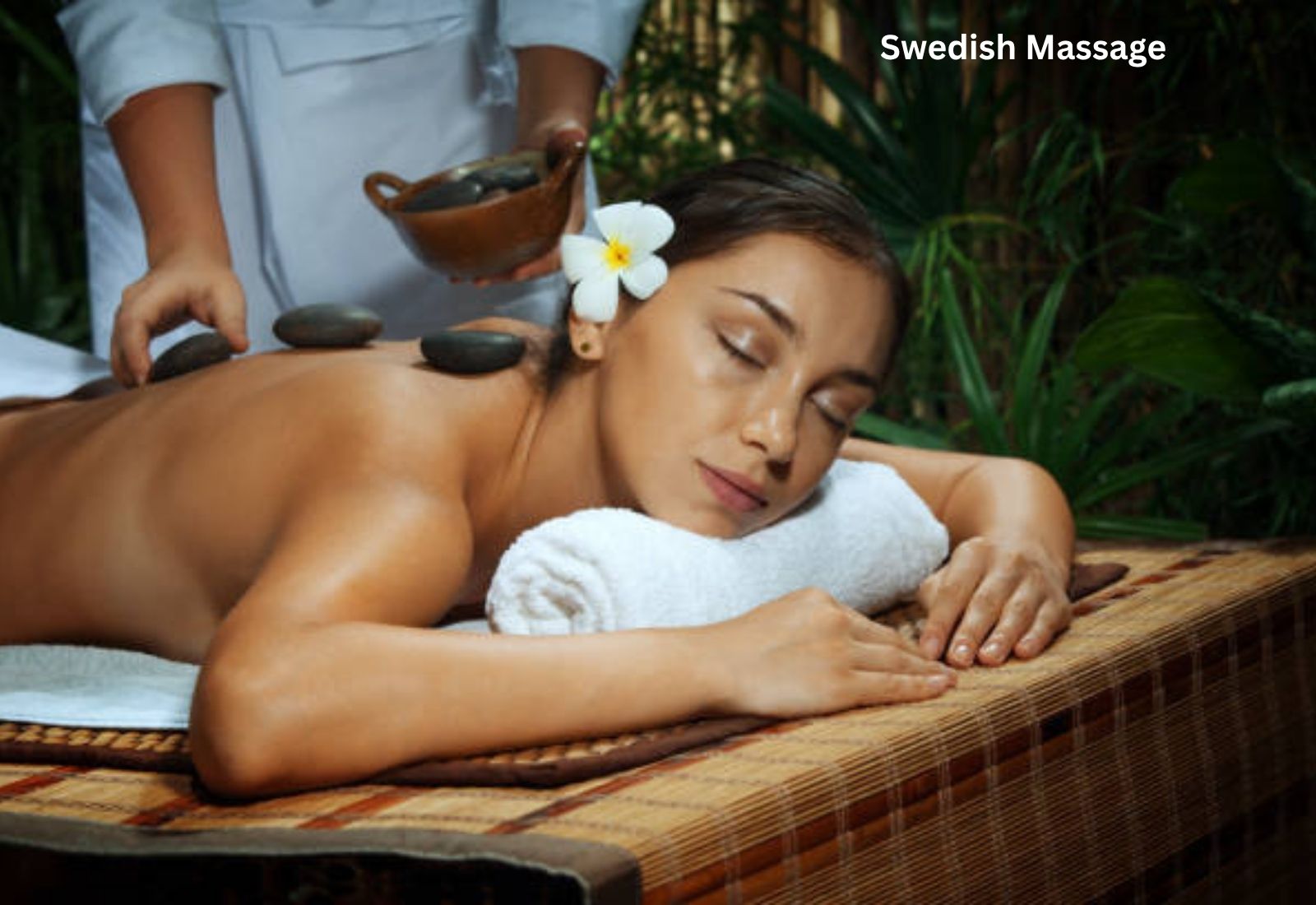
Hot stone massage uses heated stones to provide warmth while helping muscles feel more relaxed during treatment.
How Often Should You Get a Massage?
There is no universal schedule that works for everyone.
The ideal frequency depends on several factors, including:
- Lifestyle
- Activity level
- Stress levels
- Physical demands
- Personal preferences
- Wellness goals
Some people choose:
- Monthly sessions for general wellness
- Biweekly appointments during stressful periods
- Weekly sessions during intense training schedules
The most appropriate schedule is often the one that fits comfortably within your routine and supports your overall well-being.
Massage as Part of a Holistic Wellness Strategy
Massage works best when viewed as one component of a broader wellness approach rather than a standalone solution.
A balanced wellness strategy may include:
- Regular exercise
- Nutritious food choices
- Quality sleep
- Stress management techniques
- Hydration
- Social connection
- Preventive healthcare
When combined with these habits, massage can become a valuable addition to an overall self-care routine.
Common Myths About Massage Therapy
Myth 1: Massage Is Only for Luxury or Pampering
Although massage can feel enjoyable and relaxing, many people incorporate it into their wellness routines for recovery, mobility, and stress management purposes.
Myth 2: Stronger Pressure Always Produces Better Results
The effectiveness of massage does not depend solely on pressure.
Different goals require different techniques, and comfort should always guide treatment intensity.
Myth 3: Massage Is Only for Athletes
People from all walks of life use massage therapy, including office workers, parents, students, retirees, and travelers.
Myth 4: One Massage Session Solves Everything
Wellness is typically built through consistent habits over time rather than a single intervention.
Massage is often most effective when included as part of a broader long-term wellness routine.
Frequently Asked Questions
Can massage help reduce stress?
Many people use massage therapy to support relaxation and manage everyday stress as part of a healthy lifestyle.
Is massage useful for recovery after exercise?
Many active individuals include massage in their recovery plans alongside sleep, hydration, nutrition, and stretching.
Which massage is best for relaxation?
Swedish massage and aromatherapy massage are commonly selected for relaxation and stress management.
Can office workers benefit from massage?
Yes. Many office workers use massage to address tension associated with prolonged sitting and desk work.
How long does a typical massage session last?
Most sessions last between 60 and 90 minutes, although shorter and longer appointments are also available.
Conclusion
Stress and recovery are essential components of overall health and well-being. In today’s fast-paced world, finding effective ways to support both physical and mental recovery has become increasingly important.
Massage therapy continues to play a valuable role in many people’s wellness routines by providing dedicated time for relaxation, encouraging recovery from everyday physical demands, and helping individuals reconnect with their bodies.
Whether you are an athlete recovering from training, a professional managing workplace stress, or simply someone looking to prioritize self-care, massage can become a meaningful part of a balanced approach to long-term wellness.
Rather than viewing massage solely as an occasional luxury, many individuals now see it as an investment in recovery, resilience, and overall quality of life.