


When choosing a massage treatment, many people find themselves comparing Thai massage and deep tissue massage. While both are popular options for relieving physical discomfort and supporting overall wellness, they use very different techniques and are designed to achieve different outcomes.
Some people assume they are simply two versions of a “strong massage,” but the reality is far more nuanced. Thai massage focuses heavily on movement, stretching, and energy flow, while deep tissue massage targets deeper layers of muscle and connective tissue using sustained pressure.
Understanding these differences can help you select the treatment that best matches your goals, whether you are looking for relaxation, improved flexibility, recovery after exercise, or relief from muscle tension.
What Is Thai Massage?
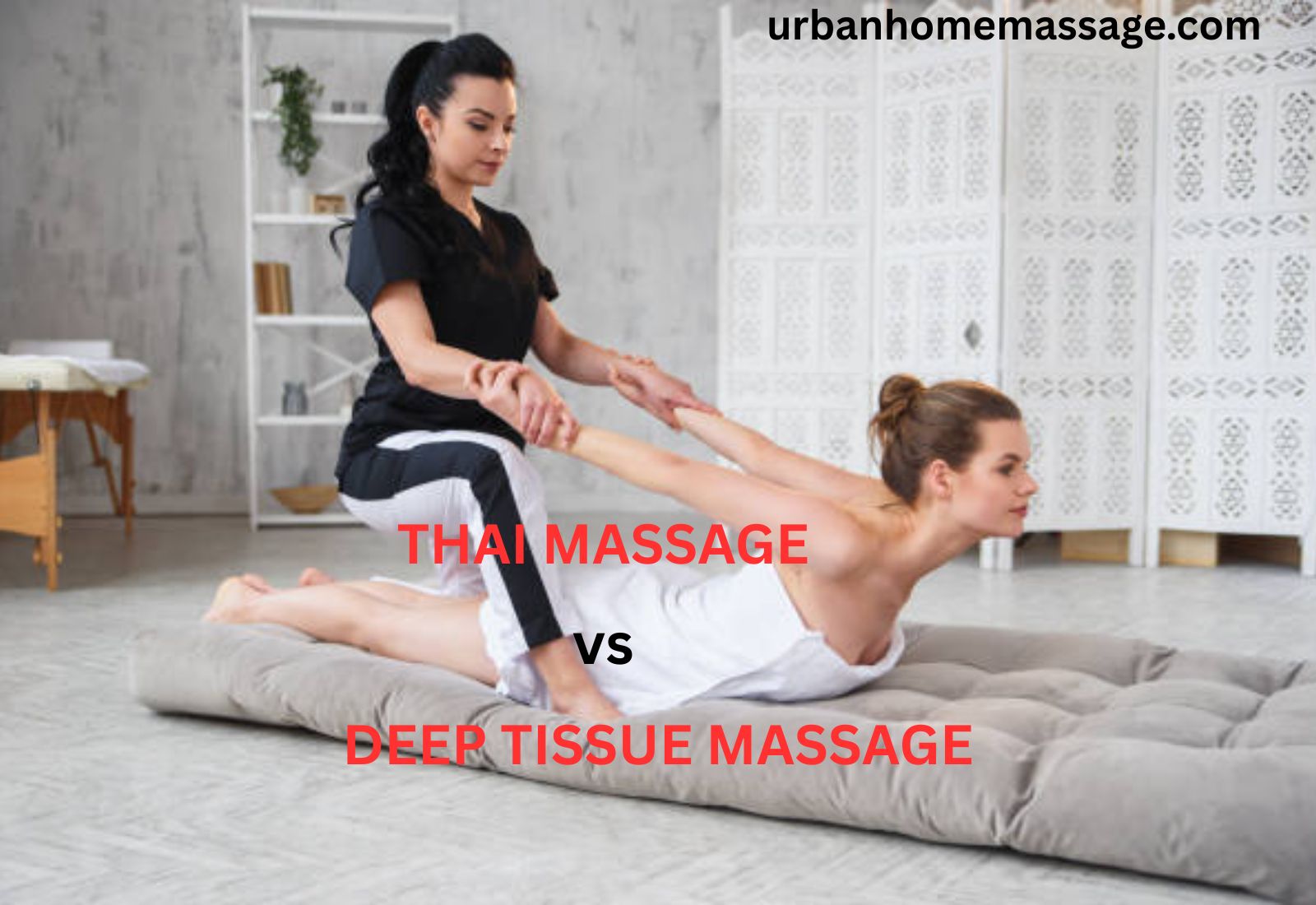
Thai massage is a traditional bodywork technique that originated in Thailand centuries ago. Unlike many Western massage styles, it combines assisted stretching, rhythmic pressure, and body movements rather than relying primarily on oils and muscle kneading.
During a Thai massage session, clients typically remain fully clothed in loose and comfortable clothing. Instead of lying on a massage table, the treatment often takes place on a padded mat or firm surface.
The therapist uses their hands, thumbs, elbows, forearms, knees, and sometimes feet to apply pressure while guiding the body through various stretches and movements.
Because of these techniques, Thai massage is sometimes referred to as “assisted yoga” or “passive stretching massage.”
What Is Deep Tissue Massage?
Deep tissue massage is a therapeutic massage technique designed to work on deeper layers of muscles, fascia, and connective tissues.
Unlike Thai massage, deep tissue massage is typically performed on a massage table using oils or lotions to allow smooth movement across the skin.
The therapist uses slow strokes and sustained pressure to target areas of tension, muscle tightness, and restricted movement.
Deep tissue massage is commonly used to address:
- Persistent muscle tightness
- Postural tension
- Neck stiffness
- Shoulder discomfort
- Lower back tension
- Exercise-related muscle soreness
The pressure used during deep tissue massage is usually firmer than that used in Swedish massage, although intensity should always be adjusted according to client comfort.
The Biggest Difference Between Thai Massage and Deep Tissue Massage
The most significant difference lies in the treatment approach.
Thai massage focuses on movement, stretching, flexibility, and whole-body balance.
Deep tissue massage focuses on muscle manipulation and targeted pressure within specific areas of tension.
In simple terms:
- Thai massage moves your body.
- Deep tissue massage works directly on your muscles.
Although both can leave clients feeling relaxed and refreshed, the experience during the treatment is very different.
Technique Comparison
Thai Massage Techniques
Thai massage commonly includes:
- Assisted stretching
- Rhythmic compression
- Joint mobilization
- Pressure point work
- Body positioning techniques
The therapist actively moves different parts of the body throughout the session.
Deep Tissue Massage Techniques
Deep tissue massage often includes:
- Slow gliding strokes
- Deep finger pressure
- Trigger point work
- Muscle stripping techniques
- Cross-fiber friction
The focus remains primarily on specific muscles and soft tissues rather than body movement.
Clothing Requirements
One of the easiest ways to distinguish these treatments is by what clients wear during the session.
Thai Massage
Clients usually remain fully clothed in flexible clothing that allows movement and stretching.
Loose cotton clothing or athletic wear is often recommended.
Deep Tissue Massage
Deep tissue massage is generally performed using oils or lotions, which means clients typically undress to their comfort level while remaining professionally draped throughout the treatment.
Only the area currently being treated is uncovered.
Use of Oils
Thai massage traditionally does not involve massage oils.
The therapist relies on compression techniques and stretches rather than gliding movements across the skin.
Deep tissue massage, on the other hand, usually uses massage oils or lotions to reduce friction and allow deeper muscle work.
Pressure Levels
Many people assume Thai massage is gentler because it involves stretching, but that is not always the case.
Both treatments can involve significant intensity depending on the techniques used and the individual’s body condition.
Thai Massage Pressure
The pressure in Thai massage comes from body weight, compression, and stretching rather than direct muscle manipulation.
Some stretches may feel intense, particularly for individuals with limited flexibility.
Deep Tissue Massage Pressure
Deep tissue massage uses direct pressure on muscles and connective tissue.
The therapist gradually works deeper into the muscles while monitoring client comfort throughout the session.
Neither massage should feel unbearably painful.
Flexibility and Mobility Benefits
Thai massage is particularly well known for supporting flexibility and joint mobility.
The assisted stretches may help clients feel less restricted in their movements after treatment.
This makes Thai massage popular among:
- Active individuals
- Yoga practitioners
- Athletes
- People with sedentary lifestyles
Deep tissue massage may also support mobility by reducing muscle tightness, but stretching is not the primary focus of the treatment.
Muscle Recovery and Exercise Support
Both massage styles are commonly used by physically active individuals, although they serve different purposes.
Thai massage may help improve movement patterns and flexibility.
Deep tissue massage is often selected for addressing muscle tightness that develops after intense physical activity or repetitive movements.
Athletes often choose between the two depending on whether they need mobility work or muscle-focused treatment.
Relaxation Experience
Both treatments can promote relaxation, although the experience differs considerably.
Thai massage tends to feel active and energizing due to the stretching and movement involved.
Deep tissue massage often feels slower and more focused, particularly when addressing specific areas of tension.
Clients seeking a quiet and calming experience may prefer deep tissue massage, while those who enjoy movement and stretching may appreciate Thai massage more.
Which Massage Is Better for Office Workers?
Office professionals frequently experience:
- Neck tension
- Shoulder tightness
- Lower back discomfort
- Poor posture
Deep tissue massage is often chosen for targeting these specific muscular issues.
However, Thai massage may also benefit office workers by encouraging movement and flexibility after long periods of sitting.
The best choice depends on individual preferences and physical needs.
Which Massage Is Better for Athletes?
Athletes and gym-goers often benefit from both treatments at different times.
Thai massage may support:
- Flexibility
- Range of motion
- Mobility
Deep tissue massage may support:
- Muscle recovery
- Management of muscle tightness
- Post-workout comfort
Many active individuals include both treatments in their overall wellness routine.
Who Should Consider Thai Massage?
Thai massage may appeal to individuals who:
- Enjoy stretching
- Want to improve flexibility
- Prefer remaining clothed during treatment
- Like active bodywork techniques
- Feel stiff after long periods of sitting
Who Should Consider Deep Tissue Massage?
Deep tissue massage may be suitable for individuals who:
- Experience persistent muscle tightness
- Have physically demanding jobs
- Spend long hours at a desk
- Exercise regularly
- Prefer targeted muscle work
Can You Combine Both Treatments?
Yes. Some wellness providers offer sessions that combine stretching techniques with deeper muscle work.
This approach may provide benefits associated with both mobility and muscle recovery.
However, the exact treatment plan should always depend on individual goals and preferences.
Is One Better Than the Other?
There is no universal winner in the Thai massage versus deep tissue massage debate.
The better option depends entirely on your personal goals.
If your priority is movement, stretching, and flexibility, Thai massage may be the better fit.
If your goal is addressing muscle tightness and localized tension, deep tissue massage may be more suitable.
Rather than asking which massage is better, it is often more useful to ask which massage is better for your current needs.
Frequently Asked Questions
Is Thai massage more painful than deep tissue massage?
Not necessarily. Thai massage uses stretching and compression, while deep tissue massage uses sustained muscle pressure. The intensity of either treatment depends on the techniques used and individual tolerance.
Which massage is better for flexibility?
Thai massage generally places greater emphasis on stretching and mobility work.
Does deep tissue massage use oil?
Yes. Most deep tissue treatments use massage oils or lotions to allow smooth movement across the skin.
Do you wear clothes during Thai massage?
Yes. Clients usually remain fully clothed in loose and comfortable clothing.
Which massage is better for muscle knots?
Deep tissue massage is commonly chosen for targeting areas of muscular tension and tightness.
Final Thoughts
Thai massage and deep tissue massage are two highly respected therapies, but they serve different purposes and create very different experiences.
Thai massage focuses on movement, stretching, and flexibility, while deep tissue massage targets muscles and connective tissue using slow, focused pressure.
Understanding these differences allows clients to choose the treatment that aligns best with their wellness goals, comfort preferences, and physical needs.
The right choice is not about which massage is stronger or more popular. It is about selecting the approach that best supports your body and lifestyle at that particular moment.