
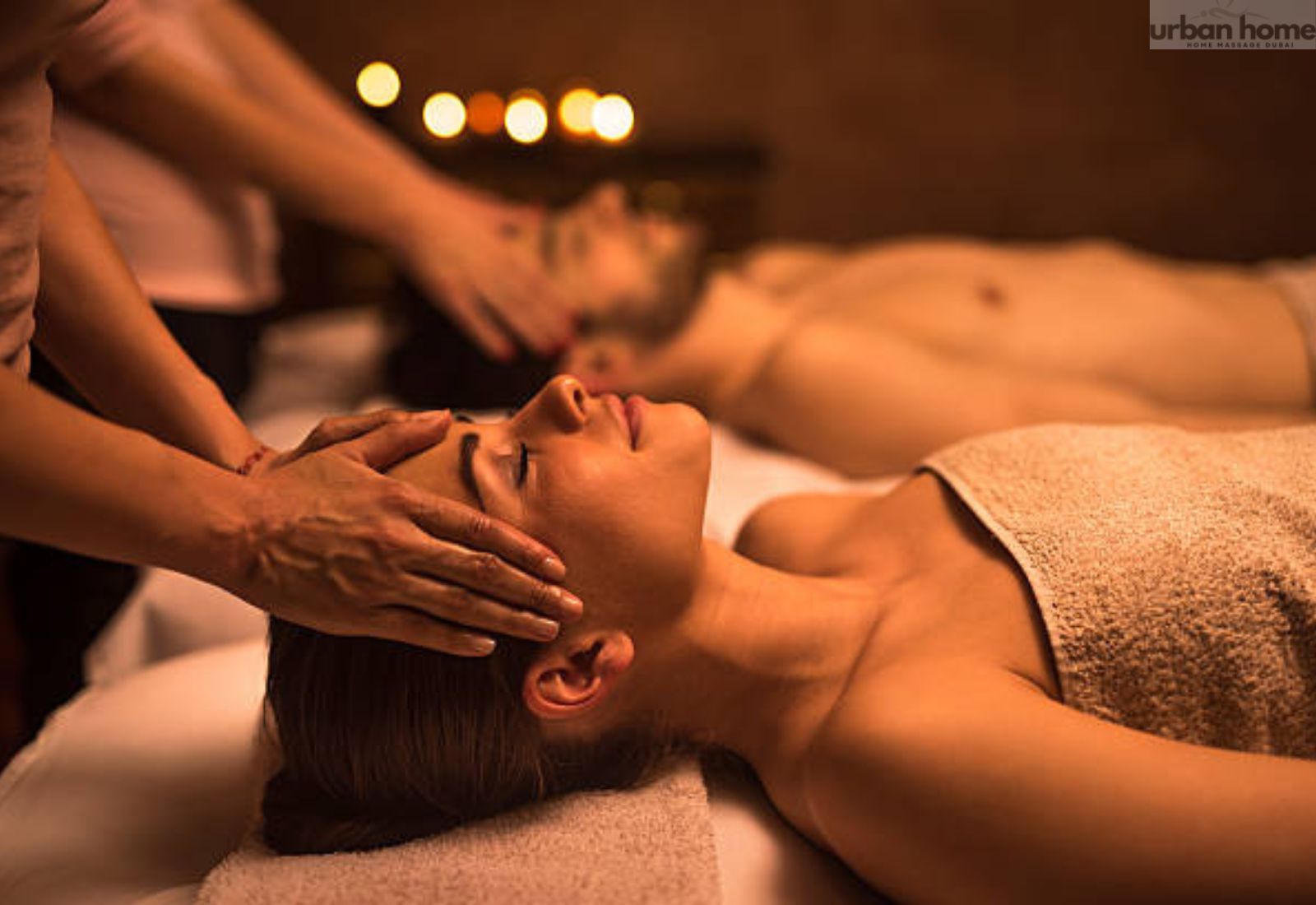



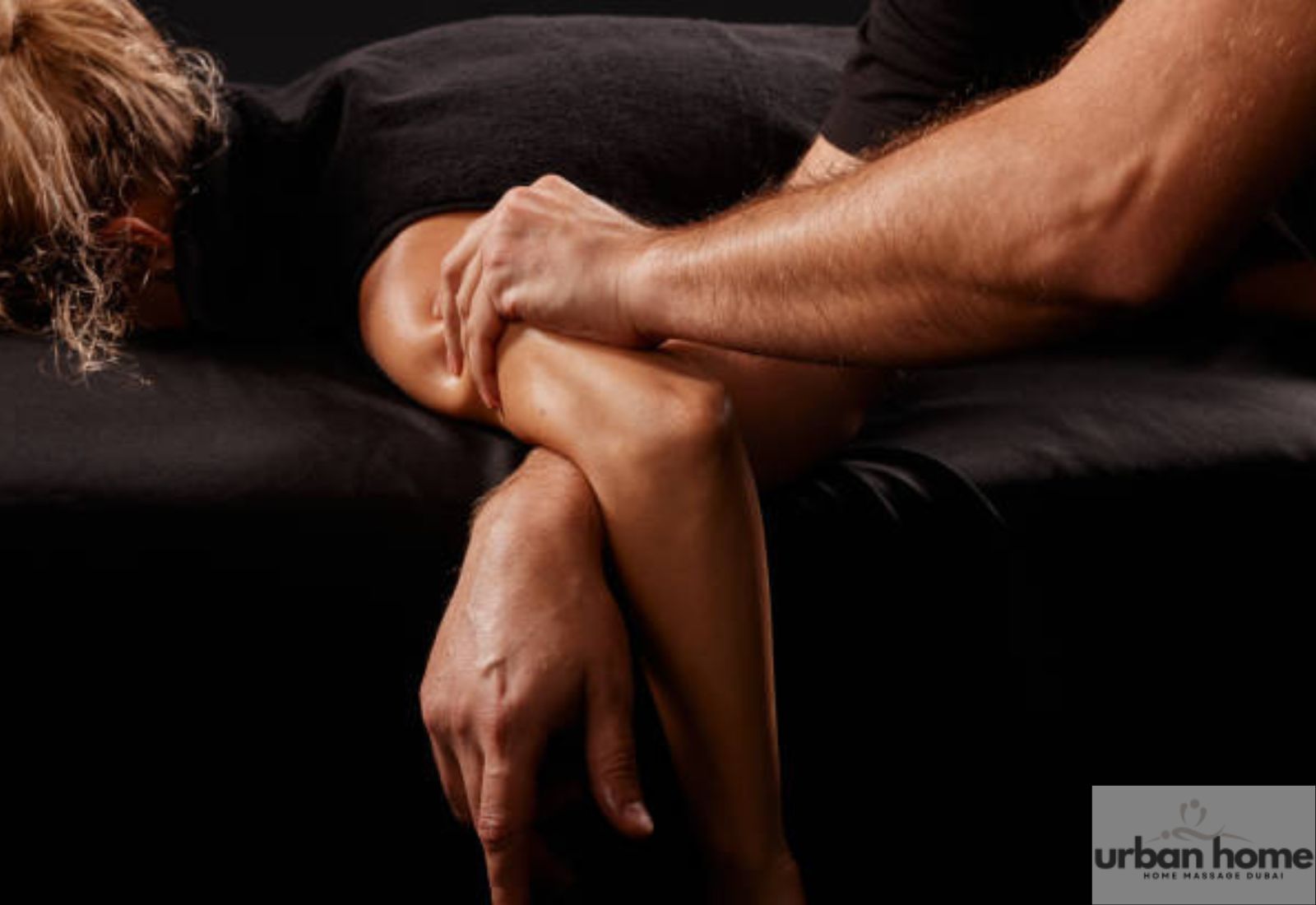
Whether you’re training for a marathon, lifting weights at the gym, or simply following a regular fitness routine, your muscles experience continuous physical stress. Exercise challenges the body in positive ways, helping to build strength, improve endurance, and enhance overall health. However, every workout also creates temporary strain on muscles, connective tissues, and joints that need time to recover.
Recovery is just as important as training itself. Without adequate rest and proper recovery strategies, muscle fatigue can accumulate, flexibility may decrease, and performance can suffer over time. That’s why many athletes and fitness enthusiasts incorporate recovery techniques such as stretching, hydration, balanced nutrition, quality sleep, and massage therapy into their routines.
Among the many massage techniques available today, deep tissue massage has earned a strong reputation within the fitness community. Unlike relaxation-focused massage styles, deep tissue massage targets deeper layers of muscles and connective tissues using slow, deliberate pressure. It is commonly chosen by individuals who want to address persistent muscle tightness, improve mobility, and support recovery after intense physical activity.
From professional athletes to recreational gym-goers, people with active lifestyles often view deep tissue massage as a valuable complement to their training programs. While it is not a substitute for proper medical care or rehabilitation, it can play an important role in promoting muscular comfort and helping the body recover more efficiently.
In this guide, we’ll explore why deep tissue massage is so popular among athletes and gym enthusiasts, how it supports recovery, what current research says, and when it may be most beneficial.
What Is Deep Tissue Massage?
Deep tissue massage is a therapeutic massage technique that focuses on the deeper layers of muscles, fascia (connective tissue), and tendons. Unlike lighter massage styles that primarily encourage relaxation, deep tissue massage is designed to address areas of chronic muscle tension and restricted movement.
Massage therapists use slow, controlled strokes combined with sustained pressure to reach deeper muscle layers. Depending on the individual’s needs, therapists may use their:
- Fingers
- Thumbs
- Palms
- Forearms
- Elbows
The amount of pressure is always adjusted according to the client’s comfort level, treatment goals, and physical condition. Contrary to a common misconception, deep tissue massage does not need to be excessively painful to be effective. A skilled therapist works within your tolerance, applying enough pressure to address tight tissues without causing unnecessary discomfort.
Because active individuals often place repeated demands on the same muscle groups, deep tissue massage is frequently used to target areas such as:
- Hamstrings
- Quadriceps
- Calves
- Gluteal muscles
- Lower back
- Shoulders
- Neck
- Chest
- Forearms
By focusing on these deeper structures, the massage aims to improve tissue mobility and reduce the sensation of muscular tightness that can develop through repetitive training or prolonged physical activity.
Why Recovery Matters for Active People
Every workout creates small amounts of stress within muscle fibers. This stress is a normal part of exercise and is one reason muscles adapt by becoming stronger over time.
However, adaptation only occurs when the body has enough opportunity to recover.
Without proper recovery, individuals may experience:
- Persistent muscle soreness
- Reduced flexibility
- Slower workout performance
- General fatigue
- Increased muscle tightness
- Difficulty maintaining training consistency
Recovery allows the body to repair tissues, replenish energy stores, and prepare for future physical activity. For athletes and gym enthusiasts who train several times each week, maintaining an effective recovery routine becomes especially important.
Deep tissue massage has become one of several recovery methods that people include alongside stretching, mobility work, hydration, nutrition, and adequate sleep.
Why Athletes Choose Deep Tissue Massage
Athletes continuously challenge their bodies through repetitive movement, high training volumes, and competitive performance. These demands often place significant stress on muscles and connective tissues.
Deep tissue massage has become popular among athletes because it addresses many of the physical effects associated with intensive training.
Helps Reduce Muscle Tightness
Repeated exercise can cause muscles to feel tight, particularly after strength training, sprinting, or endurance sports.
Deep tissue massage applies sustained pressure to areas of tension, helping muscles gradually relax. While the exact response varies from person to person, many athletes report feeling less restricted and more comfortable after treatment.
Reducing muscle tightness may also make stretching and mobility exercises easier to perform.
Supports Healthy Movement
Movement quality plays an important role in athletic performance.
When muscles become excessively tight, they may restrict normal joint motion, making certain movements feel less efficient.
Deep tissue massage may help improve tissue mobility, allowing muscles and surrounding structures to move with fewer restrictions. Improved mobility can contribute to more comfortable movement during training and everyday activities.
May Improve Flexibility
Flexibility is essential for many sports and fitness activities.
Whether performing squats, lunges, overhead presses, running, or swimming, adequate flexibility allows joints to move through their intended range of motion.
Although regular stretching remains one of the primary methods for improving flexibility, deep tissue massage may complement a flexibility program by helping reduce muscular stiffness.
When combined with mobility exercises, many active individuals find it easier to maintain comfortable movement patterns.
Encourages Relaxation After Intense Training
Training places stress on both the body and mind.
Competitive athletes often balance demanding workout schedules with work, travel, and daily responsibilities.
Massage provides dedicated time for recovery and relaxation, allowing athletes to step away from the physical and mental demands of training.
Many people report feeling calmer and more refreshed after a session, making massage a valuable addition to an overall wellness routine.
Why Gym Enthusiasts Are Choosing Deep Tissue Massage
You don’t have to be a professional athlete to benefit from recovery-focused massage.
Many people who exercise three to five times per week experience similar patterns of muscle tightness, particularly when beginning a new fitness program or increasing workout intensity.
Deep tissue massage is increasingly popular among gym-goers because it supports the physical demands of consistent training.
Weightlifters
Resistance training places repeated stress on major muscle groups, particularly the chest, shoulders, back, legs, and arms.
As muscles adapt to heavier loads, temporary stiffness and soreness are common.
Many weightlifters schedule deep tissue massage as part of their broader recovery routine to help manage muscle tightness and maintain comfortable movement between training sessions.
CrossFit and Functional Fitness Participants
High-intensity functional workouts often combine strength, endurance, and cardiovascular training within a single session.
Because these workouts challenge multiple muscle groups simultaneously, participants may experience widespread muscular fatigue.
Deep tissue massage can complement recovery by helping individuals feel more prepared for future training while supporting flexibility and mobility.
Benefits for Different Types of Athletes
Every sport places unique demands on the body. A runner experiences repetitive impact with every stride, while a weightlifter repeatedly loads muscles and joints under heavy resistance. Team sport athletes combine sprinting, jumping, twisting, and rapid directional changes, creating different patterns of muscular stress.
Because deep tissue massage focuses on reducing muscular tension and improving soft tissue mobility, it has become a popular recovery option across many sports and fitness disciplines.
Runners
Running places continuous stress on the lower body, particularly the:
- Calves
- Hamstrings
- Quadriceps
- Hip flexors
- Gluteal muscles
- Achilles tendon
After long-distance runs or intense speed sessions, these muscles may feel tight or fatigued.
Many runners include deep tissue massage in their recovery routine to help maintain flexibility and improve movement quality. While massage cannot prevent every injury, addressing muscle tightness may help runners feel more comfortable between training sessions.
Weightlifters and Bodybuilders
Strength training is designed to challenge muscles beyond their usual workload. This process stimulates adaptation, but it can also leave muscles feeling stiff for several days.
Deep tissue massage is particularly popular among weightlifters because it targets heavily used muscle groups such as:
- Chest
- Back
- Shoulders
- Quadriceps
- Hamstrings
- Glutes
- Arms
By reducing muscular tightness and improving tissue mobility, massage may help lifters maintain better movement during compound exercises such as squats, deadlifts, and overhead presses.
Cyclists
Cycling involves thousands of repetitive pedal strokes during every ride.
Over time, cyclists may develop tightness in the:
- Hip flexors
- Quadriceps
- Calves
- Lower back
- Gluteal muscles
Deep tissue massage can complement stretching and mobility exercises by helping reduce the feeling of tight muscles that often develops after long rides.
Team Sport Athletes
Football, basketball, volleyball, tennis, and similar sports require rapid acceleration, quick changes of direction, jumping, and explosive movements.
These repetitive actions place substantial demands on muscles and connective tissues.
Many competitive athletes schedule regular massage sessions throughout their training season to support recovery and maintain consistent physical performance.
Deep Tissue Massage and Delayed Onset Muscle Soreness (DOMS)
Almost everyone who exercises regularly has experienced muscle soreness one or two days after an intense workout.
This condition is known as Delayed Onset Muscle Soreness (DOMS).
DOMS commonly develops after:
- Starting a new workout program
- Increasing training intensity
- Performing unfamiliar exercises
- Heavy resistance training
- Downhill running
- High-volume workouts
Symptoms may include:
- Muscle tenderness
- Temporary stiffness
- Reduced range of motion
- Mild swelling
- Difficulty moving comfortably
Research suggests that massage therapy may help reduce the perception of soreness and improve comfort following exercise.
While massage does not eliminate DOMS entirely, many physically active individuals report that they feel less stiff and more mobile after treatment.
It is important to remember that some soreness after exercise is a normal part of the body’s adaptation process.
What Does Research Say About Deep Tissue Massage?
Massage therapy has been studied extensively in sports medicine and rehabilitation settings. Although research continues to evolve, current evidence suggests several potential short-term benefits for physically active individuals.
Studies have found that massage therapy may help:
- Reduce perceived muscle soreness after exercise
- Improve temporary flexibility
- Increase range of motion
- Promote relaxation
- Reduce feelings of muscular tightness
- Improve overall recovery experience
Some research has also suggested that massage may help lower levels of certain inflammatory markers immediately following strenuous exercise. However, these effects vary depending on the individual, the type of activity performed, and the massage techniques used.
It’s important to keep expectations realistic. Deep tissue massage should not be viewed as a cure for sports injuries or a replacement for evidence-based rehabilitation. Instead, it can be one component of a comprehensive recovery strategy.
For ongoing pain, significant injuries, or symptoms that worsen over time, professional medical evaluation remains essential.
When Is the Best Time to Get a Deep Tissue Massage?
Timing can influence how comfortable and beneficial a massage feels after exercise.
Before a Workout
Some athletes choose a lighter recovery-focused massage before competition or training.
However, an intensive deep tissue massage immediately before heavy exercise may temporarily leave muscles feeling relaxed or sensitive.
For this reason, many therapists recommend avoiding very deep work immediately before an important event unless it is already part of your established routine.
After a Workout
Many people schedule deep tissue massage within 24 to 72 hours after demanding exercise.
By this stage, muscles have begun the recovery process, and massage may help reduce feelings of tightness while supporting comfortable movement.
The ideal timing varies depending on:
- Training intensity
- Recovery goals
- Previous massage experience
- Individual comfort
A qualified therapist can recommend an approach that suits your activity level and current physical condition.
During Training Programs
Professional athletes rarely wait until they experience significant discomfort before scheduling massage.
Instead, many include regular treatments throughout the training season as part of their long-term recovery strategy.
This proactive approach may help manage accumulated muscular tension while supporting consistent movement quality.
Deep Tissue Massage Before vs. After Exercise
Understanding when to schedule your massage can help maximize comfort and recovery.
| Before Exercise | After Exercise |
|---|---|
| May improve mobility when performed gently | Helps reduce feelings of muscle tightness |
| Can prepare muscles for movement | Supports post-workout recovery |
| Should avoid excessive pressure before competition | Often scheduled 24–72 hours after intense exercise |
| Best for light maintenance sessions | Better suited for recovery-focused treatment |
The right timing depends on your training schedule, recovery goals, and advice from your therapist.
Deep Tissue Massage vs. Sports Massage
Although these two therapies are often confused, they serve slightly different purposes.
| Deep Tissue Massage | Sports Massage |
|---|---|
| Focuses on deeper muscle layers | Designed specifically for athletic performance and recovery |
| Treats chronic muscle tightness | Can include pre-event, post-event, and maintenance techniques |
| Uses slow, sustained pressure | May combine stretching, compression, and dynamic techniques |
| Suitable for active and non-active individuals | Primarily designed for athletes |
Neither therapy is inherently better than the other.
If your goal is addressing long-standing muscular tightness, deep tissue massage may be appropriate.
If you are preparing for competition or recovering from sports-specific training, sports massage may better suit your needs.
A qualified massage therapist can help determine which approach aligns with your goals.
Common Myths About Deep Tissue Massage
Myth 1: It Must Be Extremely Painful
One of the biggest misconceptions is that deep tissue massage only works if it causes significant pain.
In reality, effective massage does not require unbearable pressure.
Therapists adjust pressure according to your comfort level while still working effectively on deeper tissues.
Myth 2: More Pressure Means Better Results
Applying excessive force does not automatically produce better outcomes.
Too much pressure may cause unnecessary discomfort without improving recovery.
Skilled therapists focus on technique, communication, and individual needs rather than maximum pressure.
Myth 3: Massage Removes All Muscle Soreness Immediately
Massage may reduce the perception of soreness and improve comfort, but it cannot instantly eliminate all muscle fatigue or repair tissues overnight.
Recovery remains a gradual biological process supported by:
- Sleep
- Nutrition
- Hydration
- Appropriate training
- Active recovery
- Time
Massage works best when combined with these healthy recovery habits.
What Happens During a Deep Tissue Massage Session?
If you’re considering your first deep tissue massage, understanding what to expect can help you feel more comfortable and prepared. Unlike a relaxation massage, deep tissue massage is designed to address specific areas of muscular tightness while improving the mobility of deeper soft tissues.
Although every therapist has their own techniques, most sessions follow a structured process tailored to your individual needs and activity level.
Initial Assessment
Before treatment begins, the therapist will usually ask several questions about your health and fitness routine.
Common topics include:
- Your sport or exercise routine
- Areas of muscle tightness or discomfort
- Previous injuries
- Recent surgeries
- Medical conditions
- Recovery goals
This assessment helps the therapist determine which muscles require the most attention while ensuring the treatment is appropriate for your condition.
Gentle Muscle Warm-Up
Deep tissue massage doesn’t typically begin with intense pressure.
Instead, therapists often use lighter strokes to warm the muscles and prepare deeper tissues for more focused work. This gradual approach helps improve comfort while allowing the muscles to relax before deeper techniques are introduced.
Targeted Deep Tissue Techniques
Once the muscles have warmed up, the therapist begins applying slower, sustained pressure to specific areas of tension.
Depending on your needs, they may work on muscles such as:
- Hamstrings
- Quadriceps
- Calves
- Gluteal muscles
- Lower back
- Upper back
- Shoulders
- Neck
- Chest
- Forearms
The therapist may use their fingers, thumbs, palms, forearms, or elbows to reach deeper muscle layers. Communication is important throughout the session, so always let your therapist know if the pressure feels too intense or uncomfortable.
Stretching and Mobility Work
Some therapists incorporate gentle stretching or joint mobilization techniques during the session to improve flexibility and encourage smoother movement patterns.
These movements are performed within your comfort level and are adjusted according to your flexibility and recovery goals.
Post-Massage Advice
At the end of the session, your therapist may recommend simple recovery strategies such as:
- Drinking plenty of water
- Gentle stretching
- Light walking or mobility exercises
- Avoiding intense training immediately afterward if significant deep work was performed
- Getting adequate sleep
These habits can complement the massage and support your overall recovery routine.
How Often Should Athletes Get a Deep Tissue Massage?
There isn’t a single schedule that suits everyone. The ideal frequency depends on your training intensity, fitness goals, and how your body responds to massage.
Recreational Gym-Goers
If you work out a few times each week, scheduling a deep tissue massage every 3 to 4 weeks may help manage muscle tightness and maintain flexibility.
Regular Fitness Enthusiasts
People who train consistently, such as those following structured strength or endurance programs, may benefit from sessions every 2 to 3 weeks, depending on their recovery needs.
Competitive Athletes
Athletes preparing for competitions or following demanding training schedules often include massage every 1 to 2 weeks as part of a broader recovery plan. The exact timing should be adjusted according to training cycles and guidance from qualified professionals.
Remember that massage should complement—not replace—other recovery strategies such as proper nutrition, hydration, sleep, and active recovery.
When Deep Tissue Massage May Not Be Appropriate
Although deep tissue massage is generally safe for many healthy adults, there are situations where extra caution is needed.
Consult a healthcare professional before booking a session if you have:
- Recent fractures or broken bones
- Acute muscle tears or ligament injuries
- Severe osteoporosis
- Deep vein thrombosis (DVT)
- Certain cardiovascular conditions
- Fever or infectious illnesses
- Open wounds or skin infections
- Recent surgery unless cleared by your doctor
Pregnant individuals should seek therapists trained in prenatal massage rather than standard deep tissue techniques unless advised otherwise by their healthcare provider.
Always inform your therapist about your medical history so the treatment can be adapted safely.
Recovery Tips Between Massage Sessions
Deep tissue massage works best when it’s part of a well-rounded recovery routine. Consistent daily habits can help maintain the benefits between treatments.
Stay Hydrated
Proper hydration supports normal muscle function and overall health. Drinking enough water throughout the day is especially important after exercise and massage.
Prioritize Quality Sleep
Sleep is when much of the body’s repair and recovery processes take place. Aim for consistent, restorative sleep to support muscle recovery and physical performance.
Eat for Recovery
A balanced diet rich in protein, complex carbohydrates, healthy fats, fruits, and vegetables provides the nutrients your body needs to recover after training.
Continue Mobility Exercises
Massage can improve tissue mobility, but maintaining flexibility requires consistency. Incorporate stretching, foam rolling, or mobility drills into your weekly routine.
Listen to Your Body
Recovery needs vary from person to person. If you’re feeling unusually fatigued or sore, consider adjusting your training intensity and allowing additional recovery time before your next workout.
Frequently Asked Questions
Is deep tissue massage good for athletes?
Yes. Many athletes include deep tissue massage in their recovery routine because it may help reduce muscle tightness, improve flexibility, and support overall mobility after training.
Can deep tissue massage help with muscle recovery?
Deep tissue massage may support recovery by reducing feelings of muscular tension, promoting relaxation, and improving tissue mobility. It is most effective when combined with proper sleep, nutrition, hydration, and structured training.
Is deep tissue massage painful?
It can feel intense in certain areas, but it should not be unbearably painful. A qualified therapist will adjust the pressure according to your comfort level and recovery goals.
How soon after a workout should I get a deep tissue massage?
Many people schedule deep tissue massage 24 to 72 hours after intense exercise, depending on their recovery needs. Your therapist can recommend the most appropriate timing based on your training routine.
Can deep tissue massage improve flexibility?
Deep tissue massage may help reduce muscular stiffness and improve soft tissue mobility, which can contribute to better flexibility when combined with regular stretching and mobility exercises.
How often should gym enthusiasts get a deep tissue massage?
For many recreational exercisers, a session every 3 to 4 weeks is sufficient. Individuals with higher training volumes may choose more frequent sessions based on their recovery needs.
What’s the difference between deep tissue massage and sports massage?
Deep tissue massage focuses on deeper muscle layers and chronic tension, while sports massage is specifically designed to support athletic performance and recovery before or after sporting events.
Is deep tissue massage suitable for beginners?
Yes, provided the treatment is adapted to the individual’s comfort level. First-time clients should communicate openly with their therapist about pressure preferences and any medical concerns.
Conclusion
Training consistently places demands on your muscles, joints, and connective tissues. While exercise is essential for improving strength, endurance, and overall fitness, recovery is equally important for long-term performance and physical well-being.
Deep tissue massage has become a trusted recovery tool among athletes and gym enthusiasts because it focuses on relieving persistent muscle tightness, improving mobility, and supporting comfortable movement. Whether you’re a runner, weightlifter, cyclist, or someone who simply enjoys regular workouts, incorporating massage into your recovery routine may help you stay active and maintain better movement quality.
Although massage offers valuable short-term benefits for relaxation, flexibility, and muscle comfort, it works best as part of a comprehensive recovery plan that includes proper nutrition, hydration, quality sleep, mobility training, and appropriate exercise programming.
Choosing a qualified massage therapist who understands your activity level and recovery goals can help ensure each session is safe, effective, and tailored to your individual needs. With a balanced approach, deep tissue massage can become a practical addition to a healthy, active lifestyle.