
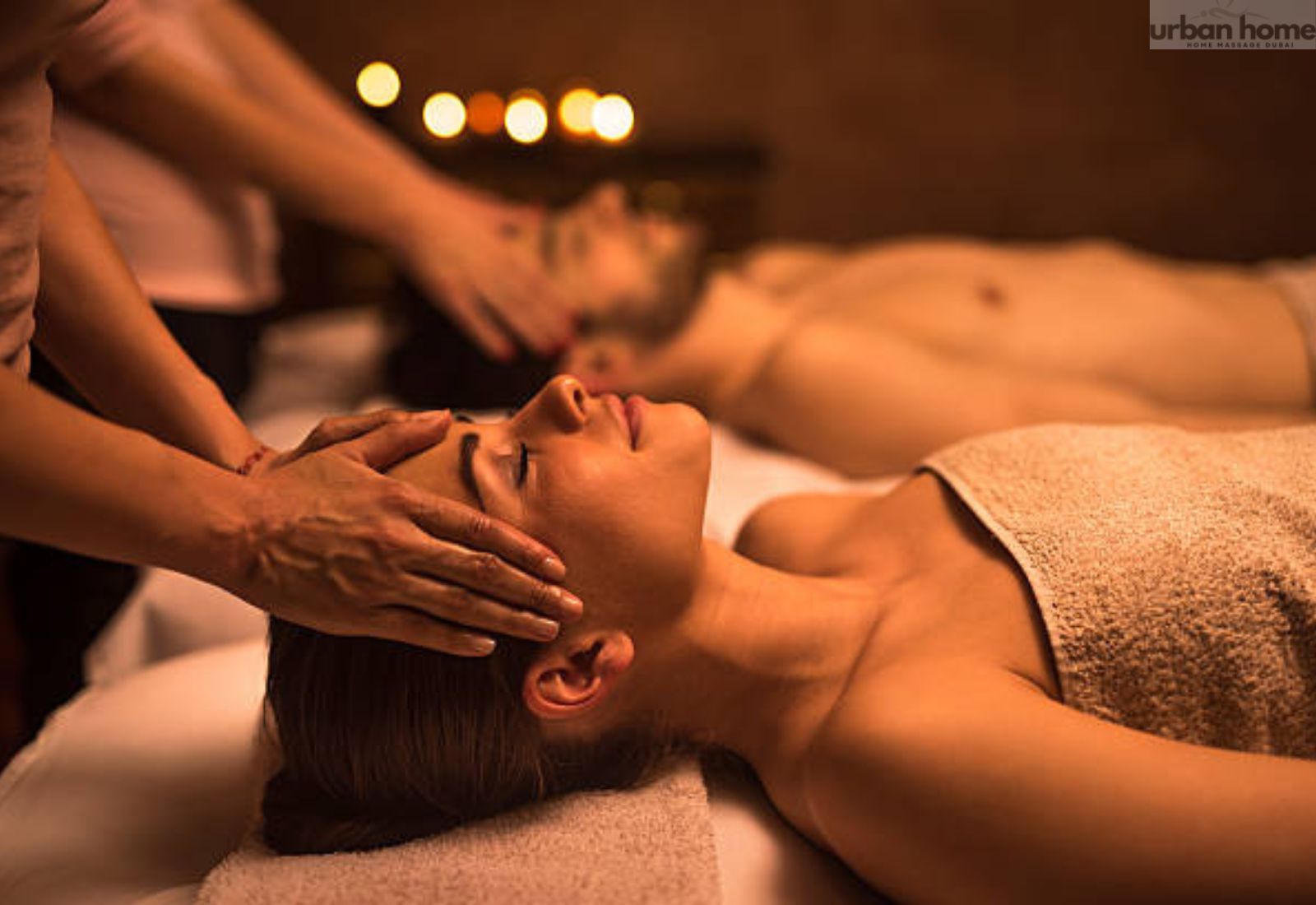


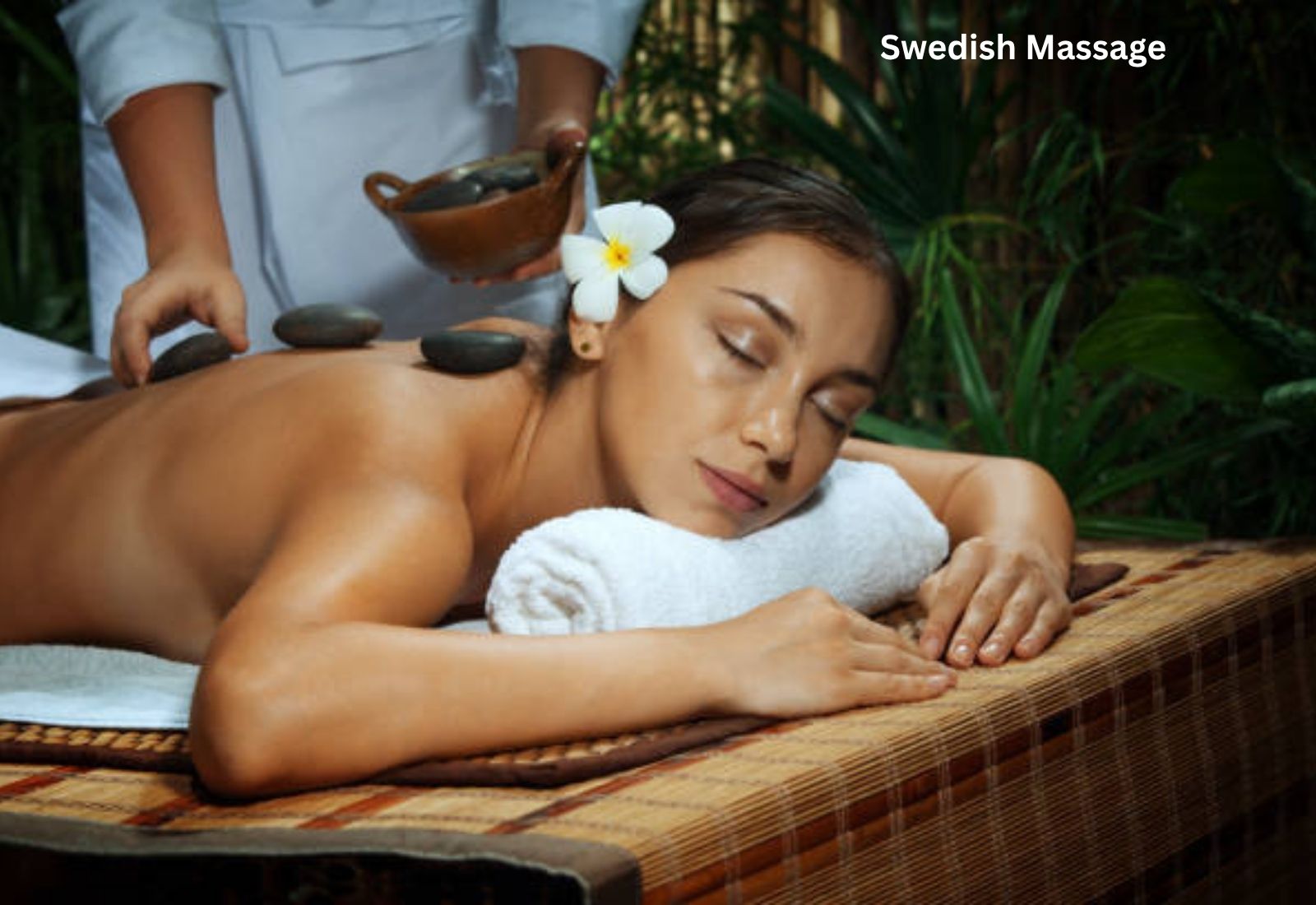
Modern life can make it difficult to slow down. Long working hours, screen time, commuting, physical tension, and everyday responsibilities can leave the body feeling tired while the mind remains active. For people looking for a way to relax and create more space for rest, massage therapy is one option that may fit into a broader wellness routine.
Swedish massage is one of the most widely recognized massage techniques for relaxation. It generally uses techniques such as long, flowing strokes, kneading, rhythmic pressure, and gentle movement of the muscles. Compared with some more intensive massage approaches, Swedish massage is typically associated with a lighter to moderate level of pressure and a calm treatment experience.
But what can Swedish massage actually do for relaxation, sleep, and stress?
This guide explores the potential benefits of Swedish massage, how it may influence relaxation and sleep, what a session is like, how often people may choose to have one, and what to consider before booking a professional treatment.
What Is Swedish Massage?
Swedish massage is a traditional massage technique that focuses on manipulating the body’s soft tissues using several different manual techniques.
A typical session may include:
- Long, gliding strokes
- Kneading movements
- Rhythmic pressure
- Circular movements
- Gentle friction
- Light tapping or percussion techniques
- Passive movement of certain joints
The exact combination depends on the therapist, treatment goals, and the individual’s preferences.
Swedish massage is often selected by people who want a relaxing experience rather than highly focused or intense pressure. The therapist may adjust the pressure throughout the session depending on the client’s comfort and the areas being treated.
Although Swedish massage is commonly associated with relaxation, massage therapy can have several different purposes. People may seek it as part of a general wellness routine, for temporary muscle tension, after physically demanding activities, or simply to take time away from a busy schedule.
Why Is Swedish Massage Considered Relaxing?
One of the main reasons Swedish massage is associated with relaxation is the combination of rhythmic movements, comfortable pressure, and a calm treatment environment.
During a massage, attention is often directed away from work, notifications, daily responsibilities, and other sources of mental stimulation. The repetitive nature of massage movements may also make it easier for some people to settle into a calmer state.
Relaxation is not only about feeling mentally calm. Physical tension can also contribute to a sense of discomfort. When muscles feel tight after sitting, exercising, traveling, or spending long periods in one position, gentle massage may help the body feel more comfortable.
Research on massage therapy has found evidence of short-term effects related to relaxation and anxiety, although results vary depending on the type of massage, study design, and individual circumstances.
The National Center for Complementary and Integrative Health notes that massage therapy may help reduce anxiety symptoms in some circumstances, although more research is needed to understand its effects across different conditions and populations.
Swedish Massage and Stress Relief
Stress affects both the mind and body.
When people experience ongoing stress, they may notice muscle tension, difficulty relaxing, changes in sleep, headaches, irritability, or general fatigue. Massage cannot remove the causes of stress, but a relaxing massage session may provide a temporary opportunity to unwind.
1. It Creates Dedicated Time to Relax
One simple benefit of massage is that it creates a period during which you can step away from normal responsibilities.
Instead of working, checking messages, or managing household tasks, you spend a set amount of time focusing on rest.
That break can be valuable for people whose daily routines leave little room for intentional relaxation.
2. It May Reduce the Feeling of Physical Tension
Stress is sometimes accompanied by tight muscles, particularly around the neck, shoulders, and back.
Swedish massage uses flowing strokes and kneading techniques that may help these areas feel less tense and more comfortable.
The effect can be particularly noticeable for people who spend many hours sitting at a desk or using computers.
3. It Can Encourage a Calmer State
The quiet environment, repetitive movements, and physical comfort of massage may help some people shift away from an alert, busy state.
This does not mean massage treats an anxiety disorder or other mental health condition. Rather, it can be viewed as one possible relaxation activity within a broader approach to managing everyday stress.
4. It May Help You Mentally Disconnect
Constant notifications and digital activity can make it difficult to take a genuine break.
During a massage session, people often have an opportunity to put their phones aside and focus on the present moment.
For someone who spends most of the day moving between work tasks, messages, meetings, and responsibilities, this simple interruption can feel meaningful.
Swedish Massage and Better Sleep
Sleep is closely connected with stress and relaxation.
When the body remains tense and the mind continues thinking about work or daily responsibilities, falling asleep can become more difficult. A relaxing activity before bedtime may help create a transition between an active day and a quieter evening.
Massage therapy has been studied for its potential effects on sleep, with some research suggesting that massage may improve subjective sleep quality in certain groups. However, the evidence is not strong enough to describe Swedish massage as a treatment for insomnia or other sleep disorders.
How Could Swedish Massage Support Sleep?
There are several possible reasons a relaxing massage may contribute to a better bedtime experience.
Physical relaxation:
Reducing the sensation of muscle tension may make it easier to become physically comfortable.
Mental downtime:
A massage session provides time away from demanding activities and screens.
Stress reduction:
If stress is interfering with relaxation, a calming massage may help some people transition into a more restful state.
Bedtime routine:
For some people, having a consistent relaxation routine may make it easier to mentally prepare for sleep.
The important distinction is that massage may support relaxation and sleep quality, but it should not be considered a substitute for professional evaluation when persistent sleep problems are present.
Can Swedish Massage Help With Stress-Related Muscle Tension?
It may.
Stress can be accompanied by involuntary muscle tightening or increased awareness of physical discomfort. Common areas include the:
- Neck
- Shoulders
- Upper back
- Lower back
- Jaw
- Hips
Swedish massage can be adapted to spend more time on areas that feel tense while maintaining an overall relaxing approach.
However, persistent or unexplained pain should not automatically be attributed to stress. Pain that continues, becomes severe, or affects normal movement may require assessment by a qualified healthcare professional.
Swedish Massage vs. Deep Tissue Massage for Relaxation
Both Swedish and deep tissue massage can be used in wellness settings, but they generally provide different experiences.
Swedish massage typically emphasizes flowing movements, rhythmic techniques, and relaxation. It may be a suitable choice for someone whose primary goal is to unwind.
Deep tissue massage generally uses more focused and sustained pressure on deeper layers of muscle and connective tissue. It is often chosen when someone wants targeted work on areas of persistent muscle tension or physical strain.
If your main goal is relaxation, sleep preparation, or stress relief, a Swedish massage may be more appropriate than choosing a massage simply because it uses stronger pressure.
More pressure does not automatically mean a better result.
Swedish Massage Benefits for People Who Work at a Desk
Office workers often spend many hours sitting, looking at screens, typing, or remaining in relatively fixed positions.
This routine can contribute to physical discomfort and a feeling of stiffness.
A Swedish massage may provide a relaxing break from that routine and can focus on commonly tense areas such as the shoulders, upper back, neck, and arms.
However, massage should complement rather than replace healthy workplace habits.
Regular movement, appropriate workstation setup, adequate breaks, physical activity, and good sleep habits remain important parts of maintaining overall wellbeing.
Swedish Massage for People With Busy Lifestyles
A busy schedule can make relaxation feel like something that can always be postponed.
This is particularly relevant in a fast-moving city such as Dubai, where work, commuting, social commitments, travel, and other activities can fill much of the day.
For some people, a professional massage provides a dedicated period for relaxation without requiring them to plan a complicated wellness routine.
A home massage can also eliminate the need to travel to and from a spa before and after treatment. This may make the transition from massage to rest more convenient.
The potential benefit, however, comes from the massage experience itself rather than simply the location where it takes place.
What Does a Swedish Massage Feel Like?
A Swedish massage is generally intended to feel comfortable and relaxing.
Your therapist may begin with lighter strokes before gradually applying more pressure depending on your preferences and the treatment plan.
You may experience:
- Gentle pressure
- Rhythmic movements
- Kneading of muscles
- Long flowing strokes
- A feeling of warmth
- Gradual physical relaxation
- Temporary sleepiness or calmness
Everyone responds differently.
Some people become very relaxed during the session, while others remain awake and enjoy the experience without becoming sleepy. Neither response means that the massage has or has not been effective.
How Long Should a Swedish Massage Session Last?
Massage sessions can vary in length.
A shorter session may focus on selected areas, while longer appointments allow more time for a full-body treatment and a gradual transition into relaxation.
Common appointment lengths include:
- 30 minutes
- 45 minutes
- 60 minutes
- 90 minutes
- 120 minutes
There is no universal session length that is best for everyone.
Someone looking for a short break from work may prefer a shorter treatment, while someone wanting a more comprehensive relaxation experience may choose a longer appointment.
The quality and appropriateness of the treatment matter more than simply choosing the longest possible session.
How Often Should You Get a Swedish Massage?
There is no single schedule that applies to every person.
Some people choose massage occasionally when they feel particularly stressed or physically tense. Others incorporate it into a regular wellness routine.
The appropriate frequency can depend on:
- Your reason for receiving massage
- Your general health
- Your activity level
- Your response to previous sessions
- The intensity of treatment
- Your schedule and personal preferences
Massage should be viewed as one component of overall wellbeing rather than something that needs to be done as frequently as possible.
If you experience persistent pain, sleep problems, or other symptoms, discuss them with a healthcare professional rather than relying exclusively on massage.
When Is the Best Time to Have a Swedish Massage?
The best time depends largely on your routine and how your body responds.
During the Day
A daytime massage can provide a break from work and daily responsibilities. This may be particularly appealing for people who experience physical tension after several hours at a desk.
After Work
An evening appointment can create a transition between work and personal time.
For people who find it difficult to mentally switch off after work, this may be a convenient time to schedule a relaxation-focused session.
Before Bedtime
Some people prefer a massage in the evening because they find it relaxing. However, individual responses differ, so it is worth paying attention to how your body reacts.
If massage leaves you feeling energized rather than sleepy, an earlier appointment may work better.
What Should You Do After a Swedish Massage?
Post-massage care does not need to be complicated.
Drink Water Normally
Maintaining normal hydration is sensible after massage. There is no need to force excessive amounts of water based on the idea that massage “flushes toxins” from your body.
Give Yourself Time to Relax
If possible, avoid immediately filling your schedule with stressful or demanding activities.
Allowing some quiet time can help you enjoy the relaxing effect of the session.
Move Gently
Normal, comfortable movement is generally fine. If you feel relaxed or slightly tired, avoid immediately undertaking strenuous physical activity.
Pay Attention to Your Body
Everyone responds differently. If you experience unexpected or significant pain after massage, seek appropriate medical advice rather than assuming that discomfort is always normal.
Is Swedish Massage Safe for Everyone?
Massage is generally considered safe when performed appropriately by a trained professional, but it is not suitable for every situation.
Certain medical conditions may require modifications or make massage inappropriate. People with bleeding disorders, low platelet counts, those taking anticoagulant medications, or people with certain injuries or medical conditions may need to avoid forceful or deep massage.
Massage should also not be performed over open wounds or areas where the skin is damaged.
If you are pregnant, recovering from surgery, taking medications that affect blood clotting, or managing a significant medical condition, speak with your healthcare provider before receiving massage.
A professional therapist should also ask relevant questions about your health and treatment preferences before beginning a session.
How to Get the Most From a Swedish Massage
A comfortable and beneficial experience begins with communication.
Before your session, tell your therapist:
- What you want from the massage
- Which areas feel tense
- Whether you prefer light or moderate pressure
- Any areas you do not want treated
- Whether you have a recent injury
- Relevant health conditions or medications
- Whether you are new to massage
During the session, continue communicating.
If the pressure feels uncomfortable, ask the therapist to reduce it. If you prefer more or less attention on a particular area, say so.
You do not need to tolerate painful pressure to make a Swedish massage worthwhile.
Common Myths About Swedish Massage
Myth 1: Swedish Massage Is Only for Luxury and Pampering
Although relaxation is a major reason people choose Swedish massage, massage therapy can also be incorporated into broader wellness routines.
Myth 2: Massage Removes All Stress
Massage may provide temporary relaxation, but it cannot eliminate the external causes of stress.
Long-term stress management may also involve sleep, physical activity, healthy routines, social support, and professional help when appropriate.
Myth 3: You Need Strong Pressure to Get Benefits
Not necessarily.
Swedish massage is commonly associated with lighter to moderate pressure. A relaxing treatment does not need to be painful.
Myth 4: Massage Cures Insomnia
There is evidence that massage may support relaxation and subjective sleep quality in some circumstances, but it should not be presented as a cure for insomnia.
Persistent sleep difficulties deserve appropriate medical evaluation.
Myth 5: Everyone Will Fall Asleep During a Massage
Some people become sleepy, while others remain awake and simply enjoy the relaxing experience.
Both responses are normal.
Swedish Massage as Part of a Healthy Relaxation Routine
Massage works best when viewed as one part of a broader approach to wellbeing.
A healthy relaxation routine may also include:
- Consistent sleep habits
- Regular physical activity
- Time away from screens
- Relaxation or breathing exercises
- Balanced nutrition
- Social connection
- Appropriate management of work-related stress
- Professional support when needed
Swedish massage can complement these habits by providing dedicated time for physical and mental relaxation.
It should not, however, replace medical treatment, psychological care, or lifestyle changes when those are needed.
Frequently Asked Questions
What are the main benefits of Swedish massage?
Swedish massage is primarily associated with relaxation and may help people feel less physically tense and more comfortable. Some research also suggests massage may have short-term effects on stress and anxiety in certain circumstances, although individual results vary.
Can Swedish massage help you sleep better?
A relaxing massage may help some people unwind before bedtime, and research suggests massage can improve subjective sleep quality in certain populations. However, it is not a guaranteed treatment for insomnia or other sleep disorders.
Is Swedish massage good for stress relief?
Swedish massage may support short-term relaxation and help reduce the feeling of physical tension associated with everyday stress. It should be considered a complementary wellness practice rather than a treatment that removes the underlying causes of chronic stress.
Is Swedish massage better than deep tissue massage for relaxation?
For someone whose primary goal is relaxation, Swedish massage may be a more natural choice because it generally emphasizes flowing movements and comfortable pressure. Deep tissue massage is typically more focused and uses deeper pressure.
How often should I have a Swedish massage?
There is no universal frequency. Some people book occasional sessions, while others incorporate massage into a regular wellness routine. Your schedule, goals, health, and response to previous sessions should all be considered.
Can I get a Swedish massage at home in Dubai?
Yes, professional mobile massage services can provide Swedish massage in a home setting in Dubai. The same considerations regarding therapist qualifications, communication, hygiene, privacy, and individual health apply whether treatment takes place at home or in a spa.
Should Swedish massage hurt?
It should not need to hurt to be effective. Swedish massage generally uses comfortable pressure, and you should tell the therapist if the treatment becomes painful or uncomfortable.
Can I exercise after a Swedish massage?
Gentle normal activity may be comfortable, but strenuous exercise immediately afterward may not be ideal for everyone. Pay attention to how you feel and give your body time to recover if you feel tired or unusually sensitive.
Final Thoughts
Swedish massage is best known for creating a calm, comfortable treatment experience, making it a popular option for people who want to step away from everyday demands and focus on relaxation.
Its potential benefits extend beyond simply feeling pampered. A professional Swedish massage may help some people feel less physically tense, create a period of mental downtime, and support relaxation that may be useful as part of a healthy sleep routine. However, the effects vary from person to person, and massage should not be presented as a cure for chronic stress, anxiety, insomnia, or medical conditions.
The most useful approach is to view Swedish massage as one part of a broader wellness routine. Good sleep habits, regular movement, healthy daily routines, stress-management strategies, and appropriate medical or psychological care remain important.
For people in Dubai who lead demanding lifestyles, a professionally delivered Swedish massage—whether at home or in another appropriate setting—can provide a convenient opportunity to pause, relax, and give the body and mind some time away from the demands of the day.