


Recovery is just as important as exercise itself. Whether you’re a professional athlete, a weekend runner, a gym enthusiast, or someone dealing with everyday muscle stiffness, giving your body enough time and support to recover can improve performance, reduce discomfort, and lower the risk of injury.
Massage therapy has become one of the most popular recovery methods because it can help relieve muscular tension, improve mobility, and encourage relaxation. Among the many massage techniques available today, deep tissue massage and sports massage are two of the most frequently recommended options for people seeking physical recovery.
Although these therapies share certain similarities, they are designed with different goals in mind. Many people assume they are interchangeable because both involve firm pressure and target muscles. In reality, each approach uses distinct techniques and may be better suited to different lifestyles, activity levels, and recovery needs.
Choosing the right massage depends on several factors, including the type of physical activity you perform, the areas of discomfort you experience, your recovery goals, and whether you’re managing general muscle tension or preparing for athletic performance.
In this guide, we’ll compare deep tissue massage and sports massage in detail, exploring how each technique works, who benefits most, and which option may better support muscle recovery.
What Is Deep Tissue Massage?
Deep tissue massage is a therapeutic massage technique that focuses on the deeper layers of muscles and surrounding connective tissues. It uses slow, controlled strokes and sustained pressure to address areas of chronic muscular tension, stiffness, and restricted movement.
Unlike relaxation-focused massage styles, deep tissue massage aims to work through tight muscles and soft tissues that have developed over time. Therapists typically apply pressure using their fingers, thumbs, knuckles, forearms, or elbows, depending on the treatment area and the client’s comfort level.
The primary goal is not simply to apply more pressure but to work carefully through layers of muscle to improve mobility and reduce persistent tightness.
People commonly choose deep tissue massage to help manage:
- Chronic muscle tension
- Tight shoulders and neck
- Lower back discomfort
- Postural muscle stiffness
- Restricted movement
- Muscle knots (trigger points)
While some discomfort may occur during treatment, a properly performed deep tissue massage should always remain within a tolerable range. Communication with the therapist is essential so pressure can be adjusted according to individual comfort.
How Does Deep Tissue Massage Work?
During a deep tissue massage session, the therapist gradually warms the muscles before applying more focused pressure to deeper tissue layers.
The treatment often includes:
- Slow gliding strokes
- Sustained compression
- Cross-fiber friction
- Trigger point techniques
- Myofascial release methods
These techniques are designed to address areas where muscles have become tight or restricted due to repetitive movement, prolonged sitting, stress, or previous physical strain.
Many people choose deep tissue massage as part of an ongoing wellness routine to help maintain mobility and reduce feelings of muscular tightness.
What Is Sports Massage?
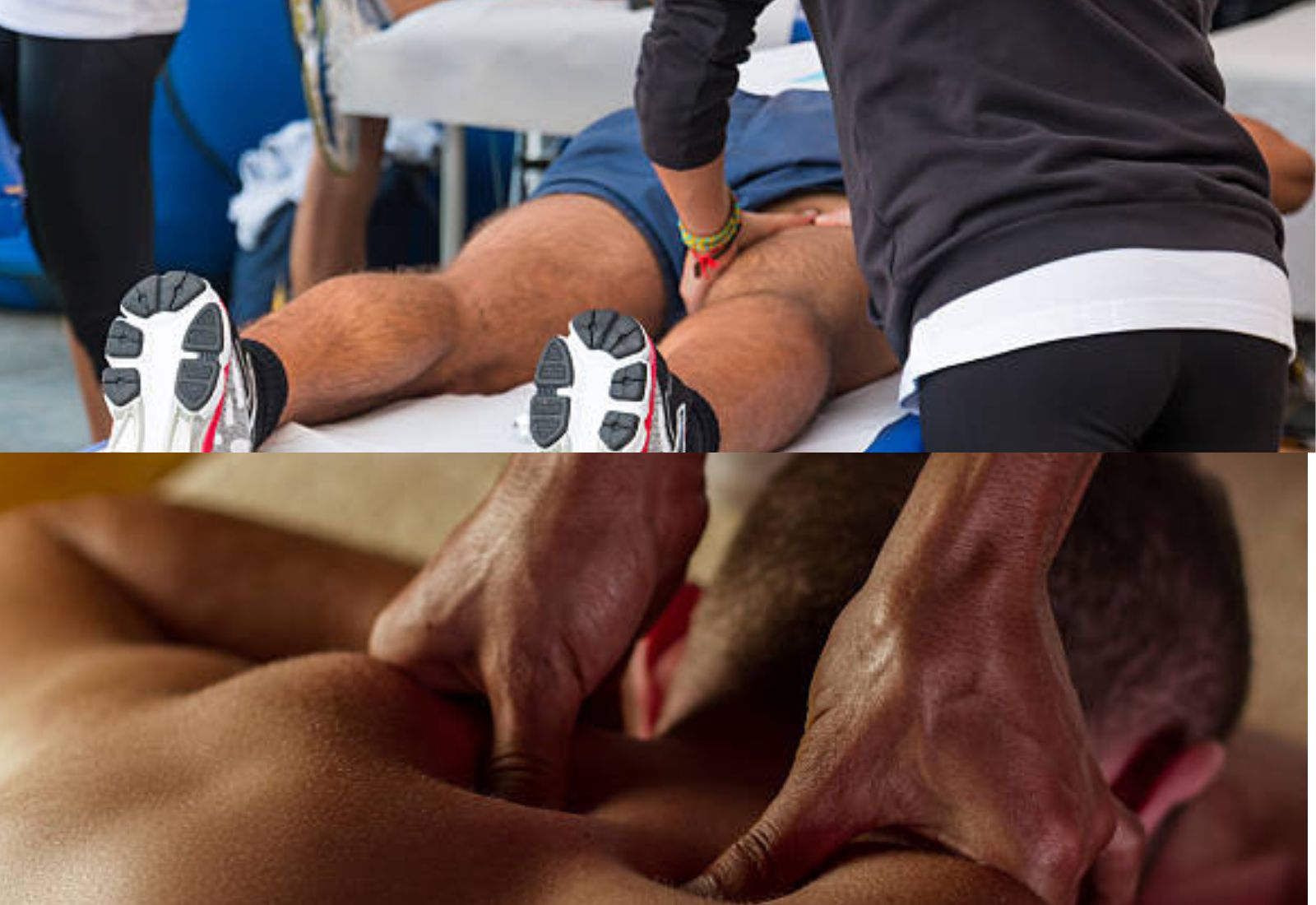
Sports massage is a specialized form of massage therapy developed to support physically active individuals before, during, and after exercise or competition.
Although athletes frequently receive sports massage, you do not need to be a professional athlete to benefit from it. Anyone who exercises regularly, participates in recreational sports, or performs physically demanding work may find sports massage helpful.
Unlike deep tissue massage, sports massage is designed specifically to support movement and athletic performance. The therapist adapts techniques according to the client’s activity level, training schedule, and recovery goals.
Sports massage may include:
- Dynamic stretching
- Compression techniques
- Muscle mobilization
- Joint movement
- Trigger point therapy
- Soft tissue manipulation
- Assisted stretching
The combination of techniques varies depending on whether the session is intended for pre-event preparation, post-event recovery, injury prevention, or ongoing maintenance.
Goals of Sports Massage
Sports massage aims to support the body’s ability to perform and recover efficiently.
Common objectives include:
- Improving flexibility
- Maintaining healthy movement patterns
- Reducing muscle tightness
- Supporting post-exercise recovery
- Preparing muscles for activity
- Encouraging relaxation after intense training
- Helping athletes maintain mobility throughout a training season
Because sports massage is tailored to each individual’s activity level, no two sessions are exactly alike.
Deep Tissue Massage vs Sports Massage: What’s the Difference?
At first glance, deep tissue massage and sports massage may appear similar because both often involve firm pressure and focus on muscular health. However, their overall purpose and treatment approach differ significantly.
Deep tissue massage primarily addresses chronic muscle tightness and long-standing tension. It concentrates on releasing restrictions within deeper muscle layers and connective tissues.
Sports massage, on the other hand, is performance-oriented. Rather than focusing solely on muscle tightness, it considers how the body moves during physical activity and adapts techniques to support recovery, flexibility, and injury prevention.
| Feature | Deep Tissue Massage | Sports Massage |
|---|---|---|
| Primary Goal | Relieve chronic muscle tension | Support athletic performance and recovery |
| Ideal For | Chronic stiffness, muscle knots | Active individuals and athletes |
| Pressure | Slow, firm, sustained | Variable depending on recovery goals |
| Stretching | Limited | Frequently included |
| Joint Mobilization | Minimal | Common |
| Flexibility Focus | Moderate | Strong |
| Recovery After Exercise | Helpful | Specifically designed for it |
| Personalization | Based on painful areas | Based on sport, activity, and training schedule |
| Typical Clients | Office workers, people with chronic tension | Athletes, runners, gym-goers, active adults |
When Is Deep Tissue Massage the Better Choice?
Deep tissue massage is often recommended for individuals whose muscle tightness develops gradually over time rather than from recent athletic activity.
You may benefit more from deep tissue massage if you:
- Spend long hours sitting at a desk
- Experience ongoing neck or shoulder tightness
- Have chronic lower back stiffness
- Frequently notice muscle knots
- Want to improve mobility in specific areas
- Carry physical stress in the same muscles every day
Rather than treating the entire body equally, deep tissue massage often focuses on the regions causing the greatest restriction or discomfort.
When Is Sports Massage the Better Choice?
Sports massage is typically more appropriate for people whose muscles are regularly challenged through exercise or physically demanding activities.
It may be a suitable option if you:
- Exercise several times each week
- Participate in competitive sports
- Run long distances
- Train for endurance events
- Perform strength training
- Want to improve recovery between workouts
- Need greater flexibility and mobility for your sport
Because sports massage adapts to different phases of training, therapists can modify techniques depending on whether the goal is preparation, maintenance, or recovery.
Which Massage Supports Better Muscle Recovery?
One of the most common questions people ask is whether deep tissue massage or sports massage is better for muscle recovery. The answer depends on why your muscles need recovery.
If your muscles feel tight after long hours at a desk or repetitive daily activities, deep tissue massage may be the more suitable choice. However, if your goal is recovering after workouts, improving athletic performance, or preparing for your next training session, sports massage is generally designed with those objectives in mind.
Neither massage is universally “better.” Each serves a different purpose, and understanding these differences can help you choose the most appropriate treatment.
Deep Tissue Massage for Muscle Recovery
Deep tissue massage focuses on relieving long-standing muscle tightness and improving movement in restricted areas.
Many people develop chronic tension due to:
- Sitting for extended periods
- Poor posture
- Repetitive work movements
- Emotional stress
- Previous injuries
- Limited physical activity
Over time, these habits may contribute to muscular stiffness and reduced mobility.
By applying slow, sustained pressure to deeper muscle layers, deep tissue massage aims to reduce muscular tightness and improve tissue mobility. People often notice that everyday movements—such as bending, reaching, or walking—feel more comfortable after treatment.
Although deep tissue massage can support recovery, its primary focus is addressing chronic muscular restrictions rather than sports performance.
Sports Massage for Exercise Recovery
Sports massage is specifically designed to complement physical activity.
Rather than focusing only on tight muscles, it considers how muscles function during movement, training, and recovery.
Sports massage techniques may help:
- Reduce post-exercise muscle tightness
- Encourage healthy movement patterns
- Improve flexibility
- Support mobility
- Prepare muscles for future activity
Because treatments are customized according to the individual’s sport or activity level, sports massage often changes throughout a training season.
For example:
- Before competition, techniques may emphasize stimulation and mobility.
- After competition, sessions often focus on relaxation and recovery.
- During regular training, massage may target muscles that experience repetitive strain.
Comparing Recovery Goals
The following table highlights how each massage style supports different recovery objectives.
| Recovery Goal | Deep Tissue Massage | Sports Massage |
|---|---|---|
| Chronic muscle tightness | ★★★★★ | ★★★☆☆ |
| Recovery after workouts | ★★★☆☆ | ★★★★★ |
| Athletic performance | ★★☆☆☆ | ★★★★★ |
| Flexibility improvement | ★★★☆☆ | ★★★★★ |
| Postural muscle tension | ★★★★★ | ★★★☆☆ |
| Mobility enhancement | ★★★★☆ | ★★★★★ |
| Stress-related muscle tension | ★★★★★ | ★★★☆☆ |
| Recovery between training sessions | ★★★☆☆ | ★★★★★ |
These ratings are general comparisons rather than clinical measurements. Individual results depend on factors such as overall health, activity level, therapist expertise, and personal recovery needs.
Scientific Research: What Does the Evidence Say?
Massage therapy has been the subject of growing scientific research, particularly regarding recovery, flexibility, and muscle soreness.
Although no single massage technique is considered a universal solution, current evidence suggests that both deep tissue massage and sports massage may offer short-term benefits when included as part of a broader recovery plan.
Research has reported potential improvements in areas such as:
- Temporary reduction in muscle soreness
- Increased flexibility
- Improved range of motion
- Reduced perception of muscular stiffness
- Enhanced relaxation
- Improved sense of physical well-being
However, the quality of evidence varies, and results differ between individuals. Massage should complement—not replace—appropriate exercise programming, nutrition, hydration, sleep, and medical care when necessary.
Deep Tissue Massage: Key Benefits
Helps Release Long-Term Muscle Tightness
One of the greatest strengths of deep tissue massage is addressing muscular restrictions that have gradually developed over weeks, months, or even years.
Many office workers, drivers, and people with physically repetitive jobs experience persistent tightness in areas such as:
- Neck
- Shoulders
- Upper back
- Lower back
- Hips
Deep tissue massage focuses directly on these restricted muscles.
Supports Better Posture
Poor posture often contributes to muscular imbalance.
Although massage cannot permanently correct posture on its own, reducing muscular tightness may make it easier to maintain healthier movement patterns when combined with strengthening exercises and ergonomic improvements.
Improves Comfort During Daily Activities
When muscles become excessively tight, simple movements may feel more difficult.
Many individuals seek deep tissue massage to improve comfort while:
- Walking
- Sitting
- Driving
- Working
- Lifting
- Sleeping
Sports Massage: Key Benefits
Supports Athletic Performance
Sports massage is designed with movement in mind.
By focusing on muscles used during training and competition, therapists help athletes maintain mobility and prepare for ongoing physical demands.
May Improve Flexibility
Dynamic stretching techniques are commonly included during sports massage.
Improved flexibility may support:
- Running mechanics
- Strength training
- Jumping
- Rotational movements
- General athletic performance
Encourages Recovery Between Training Sessions
Athletes often train multiple times each week.
Sports massage may help manage accumulated muscle tension between sessions, allowing individuals to return to training feeling more comfortable and mobile.
Targets Sport-Specific Muscles
Unlike general massage, sports massage often concentrates on muscles most heavily used during a particular activity.
Examples include:
Runners
- Hamstrings
- Calves
- Hip flexors
- Glutes
Cyclists
- Quadriceps
- Hip flexors
- Lower back
Swimmers
- Shoulders
- Chest
- Upper back
Weightlifters
- Pectoral muscles
- Shoulders
- Triceps
- Lats
- Lower back
This personalized approach is one reason sports massage is widely used in competitive athletics.
Pain Relief vs Performance Enhancement
Deep Tissue Massage Prioritizes Pain Relief
Another major difference lies in the primary treatment objective.
Deep tissue massage generally focuses on relieving persistent muscular discomfort and improving movement in areas affected by chronic tightness.
People often book deep tissue massage because they experience:
- Muscle knots
- Neck stiffness
- Shoulder tension
- Lower back tightness
- Reduced mobility
Its primary emphasis is helping muscles feel less restricted.
Sports Massage Prioritizes Function
Sports massage emphasizes how muscles perform during activity.
Rather than simply reducing discomfort, therapists consider:
- Movement quality
- Athletic goals
- Training schedules
- Muscle balance
- Flexibility
- Recovery timing
For active individuals, improving movement efficiency can be just as important as reducing soreness.
Which Massage Helps Prevent Injuries?
No massage can guarantee injury prevention. However, maintaining healthy mobility, flexibility, and muscle function may reduce certain risk factors associated with overuse.
Deep Tissue Massage
May help by:
- Reducing chronic muscle tightness
- Improving tissue mobility
- Addressing movement restrictions
Sports Massage
May help by:
- Supporting flexibility
- Encouraging balanced movement
- Managing training-related muscle tension
- Identifying areas of excessive tightness before they affect performance
For athletes, massage works best alongside proper warm-ups, strength training, recovery strategies, and coaching.
Common Misconceptions
“Sports massage is only for professional athletes.”
False.
Anyone who exercises regularly—including recreational runners, gym members, hikers, cyclists, and fitness enthusiasts—may benefit from sports massage.
“Deep tissue massage should always hurt.”
False.
While firm pressure is common, excessive pain is neither necessary nor desirable. A skilled therapist adjusts pressure based on your comfort and treatment goals.
“The stronger the pressure, the better the results.”
Not necessarily.
Recovery depends on appropriate technique, therapist experience, and your body’s response—not simply the amount of pressure applied.
How to Choose the Right Massage for Your Lifestyle
Choosing between deep tissue massage and sports massage isn’t about finding the “best” massage—it’s about selecting the one that aligns with your lifestyle, activity level, and recovery goals.
Ask yourself the following questions before booking a session:
Do You Exercise Regularly?
If you train several times a week, participate in sports, or prepare for races or competitions, sports massage is generally the better choice. Its techniques are designed to support movement, flexibility, and recovery before and after physical activity.
Do You Spend Most of Your Day Sitting?
Office workers often experience muscle tightness caused by prolonged sitting, repetitive computer use, and poor posture.
If your primary concern is persistent neck, shoulder, or lower back stiffness, deep tissue massage may be more appropriate because it focuses on releasing chronic muscular tension.
Are You Recovering From an Intense Workout?
If your muscles feel sore after training but you’re planning to continue exercising throughout the week, sports massage can help support your recovery routine.
However, if you’ve developed long-standing muscle knots that continue to bother you regardless of exercise, deep tissue massage may provide more targeted relief.
Do You Want Better Flexibility?
Although both massage styles may improve mobility, sports massage generally places greater emphasis on stretching and joint movement.
For individuals looking to improve overall flexibility, sports massage often offers additional benefits.
What Happens During Each Type of Massage?
Understanding what to expect during a session can help you choose the treatment that best matches your comfort level and goals.
Deep Tissue Massage Session
A typical deep tissue massage usually includes:
- Discussion of problem areas
- Gentle warm-up techniques
- Slow, firm pressure
- Trigger point work
- Focus on muscles with chronic tightness
- Gradual release of restricted tissues
Sessions are often centered on one or two areas of concern rather than the entire body.
Sports Massage Session
Sports massage is usually more dynamic.
Depending on your recovery goals, your therapist may include:
- Muscle assessment
- Active and passive stretching
- Joint mobilization
- Compression techniques
- Soft tissue manipulation
- Movement-based therapy
- Sport-specific muscle work
Every session is adapted to your activity level and training schedule.
Can You Combine Deep Tissue and Sports Massage?
Yes. In many cases, these therapies complement one another.
For example:
- A recreational runner may receive sports massage during a training program and occasionally schedule deep tissue massage to address persistent calf or hip tightness.
- An office worker who has recently started going to the gym may benefit from deep tissue massage to reduce long-standing muscular tension while incorporating sports massage as training intensity increases.
A qualified therapist can recommend the most appropriate approach based on your goals and current physical condition.
When Should You Avoid Either Massage?
Although massage therapy is safe for many healthy adults, there are situations where it may not be appropriate or should be postponed.
Consult a healthcare professional before receiving massage if you have:
- Recent fractures or broken bones
- Acute muscle tears or ligament injuries
- Deep vein thrombosis (DVT)
- Fever or infectious illness
- Open wounds or skin infections
- Severe osteoporosis
- Certain cardiovascular conditions
- Recent surgery (unless cleared by your healthcare provider)
If you’re unsure whether massage is suitable for your situation, seek advice from a qualified healthcare professional before scheduling treatment.
Frequently Asked Questions
Is sports massage more painful than deep tissue massage?
Not necessarily. Both treatments can involve firm pressure, but the intensity depends on the techniques used, the treatment goals, and your comfort level. A qualified therapist should always adjust pressure based on your feedback.
Which massage is better after a workout?
For most active individuals, sports massage is generally more appropriate after exercise because it is designed to support recovery, flexibility, and muscle function.
Can deep tissue massage improve athletic performance?
Deep tissue massage may improve movement by reducing chronic muscular tightness. However, sports massage is usually more closely aligned with performance-focused training and recovery.
Which massage is better for office workers?
People who spend long hours sitting often benefit from deep tissue massage because it targets persistent muscular tension commonly found in the neck, shoulders, hips, and lower back.
Can beginners receive sports massage?
Yes. Sports massage is not limited to professional athletes. Anyone who exercises regularly or participates in recreational physical activities may benefit from it.
How often should I receive massage therapy?
The ideal schedule depends on your activity level and goals.
- General wellness: Every 3–4 weeks
- Active individuals: Every 2–3 weeks
- Competitive athletes: Weekly or biweekly, depending on training demands and professional guidance
Does either massage help reduce muscle soreness?
Many people report temporary relief from muscle tightness and soreness after both deep tissue and sports massage. Individual experiences vary, and massage should be part of a broader recovery routine that includes proper rest, hydration, nutrition, and exercise programming.
Can I switch between both massage styles?
Yes. Many people incorporate both treatments into their wellness routine depending on their current activity level, training schedule, or areas of muscular tension.
Final Verdict: Which One Supports Better Recovery?
There is no single answer that applies to everyone. The best choice depends on why your body needs recovery.
Choose Deep Tissue Massage if you:
- Experience chronic muscle tightness
- Sit for long periods at work
- Have persistent muscle knots
- Want targeted relief for specific areas
- Need help improving mobility affected by long-term tension
Choose Sports Massage if you:
- Exercise regularly
- Participate in sports or endurance events
- Want to recover between training sessions
- Need improved flexibility and movement
- Prefer a massage tailored to your physical activity
For many individuals, combining both therapies at different times provides the most balanced approach to long-term muscular health and recovery.
Conclusion
Deep tissue massage and sports massage are both valuable therapeutic approaches, but they are designed to meet different recovery needs. Understanding these differences allows you to choose the treatment that best supports your lifestyle and physical goals.
Deep tissue massage excels at addressing chronic muscular tension, persistent stiffness, and restricted movement caused by daily habits or repetitive strain. It is well suited for office workers, individuals with postural tightness, and anyone seeking targeted relief from long-standing muscle discomfort.
Sports massage, on the other hand, is specifically designed for movement and performance. Its combination of soft tissue techniques, stretching, and mobility work makes it an excellent choice for athletes, fitness enthusiasts, and active individuals looking to recover efficiently and maintain flexibility throughout their training.
Rather than viewing these therapies as competitors, think of them as complementary tools. Choosing the right massage—or combining both when appropriate—can help support mobility, reduce muscle tension, and contribute to a healthier recovery routine.
No matter which option you choose, the best results come from receiving treatment from a qualified therapist and pairing massage with healthy habits such as regular exercise, balanced nutrition, quality sleep, and proper hydration.